Harness the Benefits of Nutrient-Dense Ingredients for Wholesome Smoothies
What Key Characteristics Define Nutrient-Dense Foods?
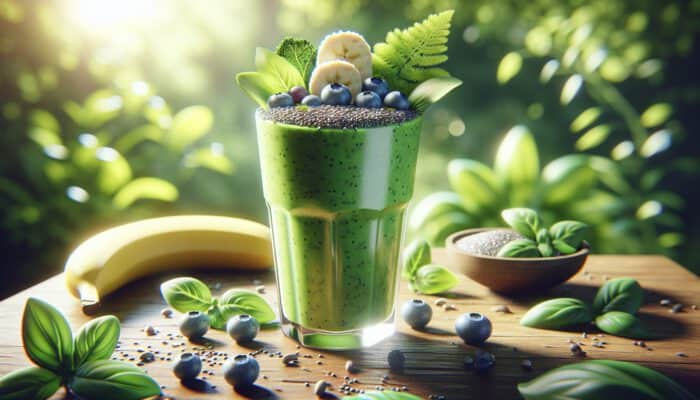
Nutrient-dense ingredients are crucial in creating smoothies that genuinely enhance your health and vitality. These ingredients are rich in vitamins, minerals, and antioxidants, all of which are essential for optimal bodily function and promoting holistic wellness. By integrating a wide variety of leafy greens, seeds, and high-quality proteins, you can significantly increase the nutritional profile of your smoothies. For instance, spinach is an excellent source of iron, while kale is abundant in vitamins A and C. Additionally, blueberries are renowned for their antioxidant properties, chia seeds are packed with omega-3 fatty acids, and bananas provide natural sweetness and potassium. This perfect blend not only delights your palate but also fosters improved health and vitality.
How Can You Select Fresh Produce for Maximum Nutritional Value?
Choosing fresh produce is essential to ensure you benefit from ingredients that are at their peak ripeness while embracing a vibrant array of colours to enhance nutrient intake. Fresh produce not only elevates the flavour of your smoothies but typically contains a higher concentration of vital vitamins. Look for seasonal fruits and vegetables sourced from local markets or grocery stores, as these are often more flavourful and nutrient-rich. Inspect items like avocados for firmness, berries for bright colours, and leafy greens for freshness, steering clear of any signs of wilting or browning. It is advisable to avoid overripe products, as they can compromise the overall quality of your smoothies, leading to unpalatable flavours and reduced nutrient content.
What Health Benefits Can You Gain from Adding Superfoods to Your Smoothies?
Incorporating superfoods into your smoothies can greatly enhance their nutrient density while providing impressive health benefits. Ingredients like chia seeds and acai berries are well-known for their high antioxidant levels, which support immune function and increase energy levels. These superfoods can also help reduce inflammation and improve digestion, making them superb additions to your daily wellness routine. For example, adding spirulina gives a notable protein boost, while hemp seeds provide essential fatty acids. By including these powerful ingredients, you not only amplify the health benefits of your smoothies but also introduce diverse flavours and textures, making them more enjoyable and appealing for regular inclusion in your diet.
Discover Expert Techniques for Crafting Nutrient-Dense Smoothies

What Techniques Do Nutritionists Recommend for Making Smoothies?
Nutritionists suggest several methods to maximise nutrient retention when creating smoothies. A fundamental strategy involves using high-speed blenders, which achieve a smoother consistency while preserving the integrity of delicate vitamins and minerals. For example, many expert smoothie recipes recommend blending leafy greens with a splash of liquid first to effectively break them down before adding additional ingredients. This technique enhances nutrient absorption and ensures a uniform texture throughout your drink. Furthermore, blending in stages—starting with softer fruits before incorporating harder ingredients—can result in a more cohesive mixture that effectively retains nutrients, leading to a delicious and healthy smoothie every single time.
Why Is Balancing Macronutrients Crucial in Your Smoothie?
Balancing macronutrients in your smoothie is vital for sustaining energy levels and promoting feelings of fullness. A well-crafted smoothie should contain proteins, carbohydrates, and healthy fats to optimise nutrient absorption and prevent spikes in blood sugar. Experts recommend integrating a protein source, such as Greek yoghurt or protein powder, alongside complex carbohydrates like oats or fruits. For healthy fats, consider adding avocado or nut butters. This approach can be enhanced through effective meal planning; for example, pre-portioning ingredients ensures you have the right balance readily available, simplifying the process of whipping up nourishing smoothies on hectic mornings.
What Recommendations Can Experts Provide to Enhance the Flavour Profiles of Smoothies?
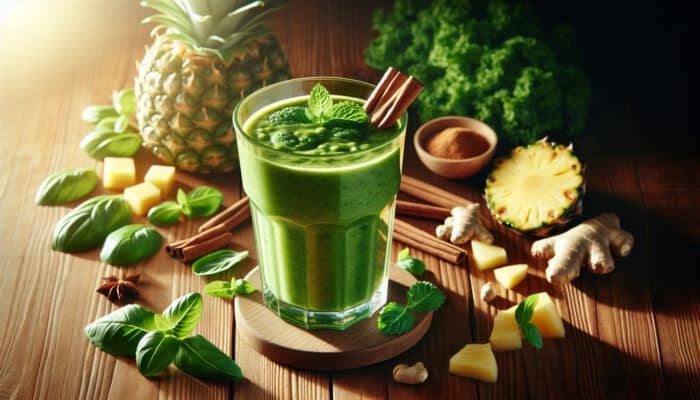
Experts frequently suggest enhancing the flavour profile of nutrient-dense smoothies by utilising natural flavour enhancers. Incorporating herbs such as mint or basil adds a refreshing twist without unnecessary sugars. Furthermore, spices like cinnamon or ginger elevate the taste while providing beneficial health properties, including improved digestion and reduced inflammation. Experimenting with different combinations of fruits and vegetables can yield delightful results; for instance, pairing pineapple with kale creates a sweet yet nutrient-rich smoothie that is both satisfying and healthful. The key lies in creativity—explore various flavour combinations while prioritising health benefits in your selections.
In What Ways Does Ingredient Preparation Affect Smoothie Quality?
What Procedures Should You Follow to Wash Ingredients Properly?
Properly washing your ingredients is a fundamental step in creating nutrient-dense smoothies. This essential practice eliminates contaminants such as pesticides and dirt, ensuring that you consume clean, safe produce. Start by thoroughly rinsing fruits and vegetables under running water. For leafy greens, consider soaking them briefly before rinsing to dislodge any hidden dirt. It is crucial to wash all items, even those with peels, as they can harbour bacteria that may transfer during preparation. Adopting proper washing techniques enhances both safety and nutrient retention, making your smoothie not just delicious but also highly beneficial for your health.
How Can You Efficiently Chop Fruits and Vegetables for Smoothies?
Efficiently chopping fruits and vegetables can greatly streamline the smoothie-making process. The key lies in using sharp knives, which help minimise waste and reduce oxidation of the produce. Start by selecting a stable cutting board and employing a methodical approach: cut larger items into manageable pieces while removing any seeds or cores. For fruits like bananas, slicing them into smaller segments allows for quicker blending, while chopping harder items like carrots into uniform pieces guarantees even blending. This preparation not only saves time but also contributes to a smoother texture in your final smoothie, ensuring a delightful experience with every sip.
What Importance Does Freezing Ingredients Have in Smoothie Preparation?
Freezing ingredients is a crucial technique in preparing nutrient-dense smoothies, as this method locks in freshness and preserves the nutrients and flavours of fruits and vegetables. For example, frozen berries can provide a burst of flavour and a creamy texture without the need for ice, which can dilute the taste. Additionally, freezing bananas or spinach beforehand offers a convenient option to ensure that your smoothie is both cold and smooth. Choosing frozen ingredients allows for flexibility in preparation, making it easy to whip up a quick smoothie while maintaining its nutritional integrity and taste.
Essential Equipment for Crafting Nutritious Smoothies
What Basic Tools Do You Need to Get Started?
To embark on your journey of creating nutrient-dense smoothies, several essential pieces of equipment are indispensable. A reliable blender serves as the cornerstone of smoothie preparation, efficiently handling various ingredients without compromising texture or nutrition. Additionally, measuring cups are invaluable for portion control, ensuring you maintain the right balance of ingredients each time. Consider investing in reusable smoothie straws for an eco-friendly touch and airtight containers for optimal storage of your creations. Having these tools readily available not only simplifies the smoothie-making process but also encourages healthier habits, making it easier to incorporate nutritious options into your daily routine.
- High-speed blender
- Measuring cups
- Reusable smoothie straws
- Airtight containers for storage
- Sharp knives for chopping
- Cutting board
- Ice cube tray for freezing fruits
- Personal blender for on-the-go smoothies
How Can You Maintain Your Blending Appliances for Longevity?
Maintaining your blending appliances is vital for ensuring their longevity and optimal performance. Regular cleaning is essential; after each use, disassemble your blender and wash the components with warm, soapy water to eliminate residue. Pay particular attention to the blades, as they can dull over time without proper care. Additionally, check for wear and tear on seals and gaskets to prevent leaks during blending. Regularly inspect the motor and cords for any signs of damage. By keeping your blender in excellent condition, you can consistently achieve nutrient-dense, smooth results that delight your palate.
What Portable Alternatives to Conventional Blenders Are Available?
If you’re seeking portability while enjoying nutrient-dense smoothies, personal-sized blenders serve as an excellent alternative to traditional blenders. These compact machines offer similar blending capabilities, making them ideal for quick, on-the-go smoothies. Many models are designed to blend directly in travel cups, facilitating easy pouring and cleanup. Additionally, they often feature built-in straws, making it convenient to savour your smoothie wherever you are. The convenience of personal blenders encourages individuals to maintain a healthy lifestyle without compromising nutritional quality.
Research-Backed Benefits of Consuming Nutrient-Dense Smoothies
How Can Smoothies Improve Your Daily Energy Levels?
Incorporating smoothies into your daily routine can significantly enhance your energy levels by providing a swift and effective blend of nutrients that fuel your body. Research indicates that consuming nutrient-dense smoothies can elevate metabolism, leading to increased energy throughout the day. Combining sources of carbohydrates with proteins in your smoothies amplifies this effect. For instance, blending fruits with a protein-rich base like Greek yoghurt or nut milk can deliver sustained energy without the crash often associated with sugary snacks. This approach not only boosts energy but also promotes mental clarity and focus, ensuring you remain productive throughout your day.
What Are the Key Benefits for Strengthening the Immune System?
Nutrient-dense smoothies offer substantial benefits for immune system health, primarily due to their rich content of vitamins and antioxidants. Research shows that vitamins like C and E, abundant in fruits such as kiwi and spinach, play a crucial role in fortifying the body’s defences against illnesses. Regular consumption of these smoothies can enhance immune responses, reducing the likelihood of common colds and infections. By integrating a diverse array of fruits and vegetables, you can craft powerful smoothies that support overall health and resilience, helping you to feel your best.
What Long-Term Effects Can Nutrient-Dense Smoothies Have on Overall Wellness?
Long-term consumption of nutrient-dense smoothies can yield remarkable benefits for overall wellness. Various studies indicate that incorporating these smoothies into a balanced diet may lead to improved weight management and enhanced heart health. The combination of vitamins, minerals, and fibre found in smoothies supports a healthy metabolism and cardiovascular system. By enjoying these nutrient-rich beverages, you lay the groundwork for sustained dietary habits that contribute to long-term health. Regularly including smoothies in your lifestyle not only enhances physical health but can also foster improved mental well-being and vitality.
How Do Nutrient-Dense Smoothies Support Digestive Health?
Nutrient-dense smoothies play a significant role in supporting digestive health due to their high fibre content, which is derived from various fruits and vegetables. This fibre is essential for nurturing gut microbiota, which plays a pivotal role in digestion. Research has shown that regularly consuming fibre-rich smoothies enhances bowel regularity and reduces inflammation. Ingredients like flaxseeds and avocados not only provide fibre but also healthy fats that support the digestive system. By integrating these smoothies into your daily regimen, you can cultivate a healthier digestive tract, leading to improved overall well-being.
What Research-Backed Benefits Do Smoothies Offer for Skin and Hair Vitality?
For those striving for radiant skin and robust hair, nutrient-dense smoothies can serve as a powerful ally. Packed with antioxidants and essential vitamins such as A and C, these smoothies contribute to enhanced skin elasticity and hair strength. Studies indicate that regular intake of nutrient-rich foods can mitigate oxidative stress, a significant factor in the ageing process. Ingredients like berries, carrots, and citrus fruits prove particularly beneficial in this regard. By incorporating these nutrient-dense smoothies into your diet, you can combat signs of ageing and promote a radiant complexion that reflects health and vitality.
What Are the Most Enjoyable Flavour Combinations for Smoothies?
How Can You Successfully Blend Sweet and Savoury Elements in Smoothies?
Mixing sweet and savoury elements in smoothies can create a delightful balance of flavours that enhances enjoyment while preserving nutritional integrity. One effective method is to combine naturally sweet fruits like mangoes or bananas with savoury greens such as spinach or kale. This strategy not only maximises flavour but also enriches the nutritional profile of your smoothie. For example, blending beets with berries results in a vibrant, nutritious drink that is both sweet and earthy. Experimentation is essential; try various combinations to discover your personal favourites while maintaining a health-conscious approach in your smoothie creations.
What Herbs Can Enhance the Taste of Your Smoothies?
Incorporating herbs into your smoothies can significantly elevate their taste while providing added health benefits. Fresh herbs like mint or basil introduce refreshing notes without adding excess calories, making your smoothies more enjoyable. For instance, blending mint with pineapple creates a tropical, revitalising drink that’s perfect for warm weather. Additionally, herbs like parsley and coriander can enhance nutritional value while introducing unique flavours. Start by using herbs sparingly, gradually adjusting amounts to suit your palate. This approach diversifies your smoothies and encourages a greater appreciation for fresh ingredients.
What Are the Best Tips for Customising Smoothies According to Personal Preferences?
Customising smoothies based on personal preferences ensures that you consistently enjoy nutrient-dense options. Begin by assessing your favourite flavours and textures; this will guide you in selecting ingredients that align with your tastes. For instance, if you favour creaminess, consider adding yoghurt or avocado. To satisfy a sweet tooth, opt for naturally sweet fruits like dates or mangoes. Always keep your nutritional goals in mind while making substitutions; adjusting ingredients while maintaining proper macronutrient balance is essential for overall health. Through this practice, you can create smoothies that are not only nutritious but also tailored to your preferences and tastes.
Effective Strategies for Crafting Nutrient-Dense Smoothies
What Is the Step-by-Step Process for Assembling a Basic Smoothie?
Creating nutrient-dense smoothies can be simplified with a structured assembly process. Start by layering your ingredients in the blender, beginning with liquids such as almond milk or coconut water. Following the liquids, add your fruits and vegetables, ensuring that heavier items are placed at the bottom. This arrangement promotes even blending and nutrient distribution. Finally, top your mixture with softer ingredients like Greek yoghurt or nut butters prior to blending. This method guarantees that you achieve a smooth consistency and maximise the health benefits of each ingredient. By adhering to this assembly guide, you can efficiently create smoothies that are both delicious and nourishing.
How Can You Adjust the Thickness and Consistency of Your Smoothies?
Adjusting the thickness and consistency of your smoothies is crucial for achieving your desired texture. If your smoothie is too thick, remedy this by gradually adding more liquid, such as water or milk, until you reach the preferred consistency. Conversely, if your smoothie is overly watery, consider incorporating thickeners like frozen bananas, Greek yoghurt, or oats. Monitoring the texture during blending is essential; stopping periodically to check can help you avoid over-thinning or thickening. Finding the ideal balance enhances satisfaction and makes your smoothies more enjoyable, ensuring every sip is a delight.
How Can You Introduce Variety into Your Smoothies to Prevent Monotony?
Incorporating variety into your smoothies is vital for maintaining excitement and nutritional richness. Over time, consuming the same ingredients can lead to monotony, potentially causing you to abandon your healthy habits. To combat this, try rotating different fruits and vegetables each week. For example, alternate between tropical fruits like pineapple and mango and seasonal options like apples or pears. Additionally, experimenting with different flavour profiles—such as adding spices or herbs—can introduce interest and diversity. This approach not only keeps your smoothies enjoyable but also ensures a broader spectrum of nutrients, contributing to your overall health and wellness.
How to Troubleshoot Common Blending Issues?
What Causes Lumps in Your Smoothie Mixture?
Lumps in your smoothie mixture can arise from improper blending techniques or large chunks of ingredients. It is essential to ensure that all ingredients are cut into smaller pieces before blending; this allows for even mixing and smoother results. If lumps appear, try pulsing the mixture before blending continuously. This technique can help break down stubborn chunks and achieve a creamy texture. Additionally, starting with softer ingredients before adding harder ones can prevent lumps from forming. By following these tips, you can ensure your smoothies are consistently smooth and enjoyable, enhancing your overall experience.
How Can You Quickly Fix Overly Watery Smoothies?
Overly watery smoothies often result from excess liquid or an improper ingredient ratio. To quickly remedy this issue, consider adding thickeners such as yoghurt, ice, or frozen fruits. Blend again after incorporating these thickeners to reach your desired consistency. If you're using fresh fruits, be cautious about the volume of liquid you add initially to avoid this issue in the first place. Adjusting the proportions of your ingredients can help create a more balanced smoothie that meets your texture preferences and satisfies your palate.
What Are the Signs That Your Smoothie Is Not Blending Properly?
When your smoothie is not blending effectively, indicators such as uneven texture or motor strain can suggest underlying issues. If you notice that your blender struggles to combine the ingredients, it may result from an improper ingredient ratio or an overload of frozen items. To troubleshoot, pause the blender and check that all ingredients are adequately distributed. Additionally, ensure you’re not overloading the blender beyond its capacity. If these signs persist, adjust your ingredients and blend in smaller batches for improved results, ensuring a consistently smooth outcome.
- Check for even ingredient distribution
- Ensure not to overload the blender
- Adjust ingredient ratios if necessary
- Examine whether your blender is functioning properly
- Use softer ingredients to assist blending
- Stop to scrape down sides if needed
- Blend in smaller batches if necessary
- Monitor motor strain for potential overload
How to Address a Blender That Won't Start?
If your blender won't start, first ensure it is plugged in and that the power source is functioning correctly. Verify that the lid is securely fastened, as many blenders have safety mechanisms that prevent operation if the lid is not in place. If it still doesn’t work, allow the appliance to cool down if it has overheated, as this might be causing a temporary shutdown. Look for any blockages that could be hindering the blades. Consulting the user manual for specific troubleshooting steps can effectively resolve the issue.
How to Adjust When Your Blend Is Too Thick?
When faced with an overly thick blend, the solution is straightforward: gradually add more liquid while blending. Options like water, <a href=”https://limitsofstrategy.com/juicing-for-skin-health-can-vegetable-juices-clear-your-skin/”>juice</a>, or milk can help achieve the desired consistency. It is important to do this slowly to avoid creating a mixture that is too thin. Be aware that thick ingredients, such as frozen fruits or nut butters, can contribute to this issue. Striking a balance will ensure your smoothie remains creamy and easy to consume, enhancing the overall experience and enjoyment.
Strategies for Preserving Freshness in Your Smoothies
What Storage Methods Effectively Maintain Nutrient Quality?
Maintaining the freshness and nutrient quality of your smoothies requires the use of appropriate storage methods. Placing your smoothies in airtight containers is essential for preserving nutrients and preventing oxidation. Once prepared, refrigerate your smoothies immediately to keep their freshness and flavour intact. Using glass containers can help preserve taste and nutrients more effectively than plastic options. Aim to consume stored smoothies within 24-48 hours for optimal nutrient retention. By employing these storage methods, you ensure your smoothies remain nutritious and enjoyable for an extended period.
How Can You Prepare Smoothies in Advance for Convenience?
Preparing smoothies in advance can streamline your busy mornings while ensuring you retain their nutrient value. Start by portioning your ingredients ahead of time; consider freezing fruits and vegetables in individual bags to maintain freshness. You can also prepare smoothie bases, omitting liquids until blending. This approach allows for quick assembly and minimal effort when you’re ready to enjoy your smoothie. Utilize freezer-safe containers to store your prepared ingredients, ensuring they retain their nutritional quality until blending later. This method not only saves time but also encourages healthier choices throughout the week.
What Impact Does Temperature Have on Smoothie Quality?
The temperature at which smoothies are stored and consumed significantly affects their quality and nutrient stability. Keeping smoothies cool helps prevent degradation of essential vitamins, which can occur at higher temperatures. If smoothies are stored at room temperature for an extended period, the risk of nutrient loss increases, along with potential spoilage. To maintain flavour and nutritional integrity, consume your smoothies promptly after preparation or store them in the refrigerator. This practice ensures that you enjoy the full benefits of your nutrient-dense creations and maximises your health outcomes.
How to Choose Fresh Ingredients for Smoothies?
Choosing fresh ingredients is paramount for creating the most nutrient-dense smoothies. Sourcing seasonal fruits and vegetables from local Australian markets allows you to benefit from maximum nutrients and flavour. When selecting produce, look for vibrant colours and firm textures; these indicators suggest freshness and ripeness. Always wash your selected ingredients thoroughly to remove any contaminants. Properly storing them in the fridge can also extend their shelf life, allowing you to enjoy smoothies packed with nutrients for longer periods. This attention to detail ensures that every sip is as beneficial and enjoyable as possible.
What Are the Signs of Spoilage in Stored Smoothies?
It’s crucial to be vigilant for signs of spoilage in stored smoothies to ensure safety and quality when consuming them. Changes in smell, colour, or texture can indicate that your smoothie has gone bad. For example, an off or sour smell, along with separation or an unusual colour change, should raise red flags. In Australia, it’s particularly important to check before consuming stored items, as spoilage can occur quickly. Always err on the side of caution: if you’re uncertain about the freshness of your smoothie, it’s best to discard it to avoid potential health risks.
Frequently Asked Questions
What Constitutes a Nutrient-Dense Smoothie?
A nutrient-dense smoothie is a blend of ingredients rich in vitamins, minerals, and antioxidants, designed to provide maximum health benefits. These smoothies typically include fruits, vegetables, proteins, and healthy fats.
How Frequently Should I Include Smoothies in My Diet?
Consuming smoothies 2-3 times a week can be beneficial for overall health. Regular intake helps incorporate essential nutrients into your diet, supporting various bodily functions.
Can Smoothies Serve as Meal Replacements?
Occasionally, smoothies can replace meals, particularly breakfast or snacks, if they are well-balanced with macronutrients. Ensure they include proteins, healthy fats, and fibre for satiety.
What Are Some Excellent Protein Sources for Smoothies?
Good protein sources include Greek yoghurt, protein powder, nut butters, and silken tofu. These ingredients can enhance the nutritional quality of your smoothie.
Is It Feasible to Prepare Smoothies Ahead of Time?
Yes, smoothies can be made ahead of time. Portion ingredients in advance and store them in the freezer, blending when you’re ready to enjoy them for optimal freshness.
Are There Any Fruits That Should Be Avoided in Smoothies?
While most fruits are beneficial, it's best to steer clear of overly processed or sugary options like fruit juices or sweetened canned fruits. Fresh or frozen whole fruits are more nutritious choices.
What Tips Can Help Improve the Taste of My Smoothies?
To enhance flavour, consider adding natural sweeteners like dates or honey, spices like cinnamon, or fresh herbs like mint. These can enrich the taste without unnecessary sugars.
Which Greens Are Optimal for Smoothies?
The best greens for smoothies include spinach, kale, and Swiss chard. These leafy vegetables are nutrient-rich and blend well without overpowering the flavour of the smoothie.
How Can I Keep My Smoothies Fresh for Longer?
Store your smoothies in airtight containers in the fridge and consume them within 24-48 hours. Keeping them cool prevents nutrient degradation and maintains flavour.
Can Smoothies Aid Weight Loss?
Yes, nutrient-dense smoothies can assist with weight loss when integrated into a balanced diet. They can provide satiety and are often lower in calories than traditional meals, promoting healthier choices.
Join Our Community on Facebook!
The post How to Make Nutrient-Dense Smoothies: Easy Recipes for Vitality appeared first on https://cookinggods.com.
The Article Nutrient-Dense Smoothies: Simple Recipes for Energy Boosts Was Found On https://limitsofstrategy.com
The Article Nutrient-Dense Smoothies for an Energising Boost found first on https://electroquench.com