Delve into the Intriguing Heritage of Hedge Trimming Techniques in West Coker
What is the significance of traditional hedge trimming methods in history?
The captivating craft of hedge trimming in West Coker showcases a rich and vibrant history that underscores its role in enhancing the visual charm of gardens while supporting biodiversity. Historically, local gardeners have utilised a variety of traditional techniques that adapt to seasonal changes, employing numerous methods to maintain the vitality and beauty of their hedges. These carefully cultivated gardening practices not only preserve the natural allure of outdoor spaces but also play a vital role in providing habitats and food sources for local wildlife. The synergy between cultural heritage and nature within these practices highlights a rich legacy that continues to influence modern gardening techniques.
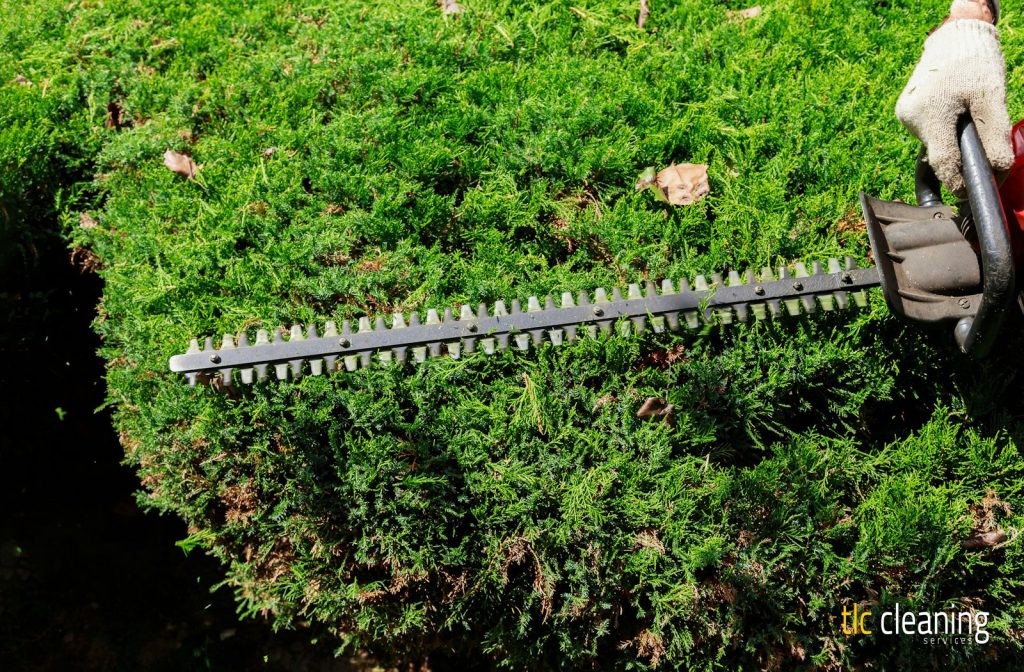

The historical tools that have been crucial in this significant endeavour include:
- Hand shears – perfect for achieving precise shaping and intricate detailing of hedges.
- Hedge trimmers – indispensable for efficiently managing expansive garden areas.
- Pruning saws – vital for cutting through thicker branches with ease and accuracy.
- ladders – essential for reaching and trimming taller hedges safely.
What essential tools are required for effective hedge trimming?
To achieve impressive results in hedge trimming, having a selection of indispensable tools is critical. Durable shears and sturdy ladders form the backbone of any British garden. These tools should be not only reliable but also user-friendly, enabling gardeners to maintain neat, well-formed hedges with remarkable precision. Investing in high-quality equipment enhances user comfort and significantly contributes to the longevity and overall shape of the hedges being trimmed. This ensures that they remain an attractive feature of the landscape for years, enriching the garden's aesthetic appeal.
Why is regular hedge maintenance crucial for overall garden health?
Regular hedge maintenance is essential for fostering healthy growth and ensuring privacy in residential spaces. Frequent trimming prevents overgrowth, aligns with established UK gardening standards, and offers outdoor areas a tidy, well-kept appearance. Moreover, routine maintenance supports local wildlife by providing vital shelter and food sources, thereby promoting a balanced ecosystem within the garden. By dedicating time to this practice, homeowners can enjoy both aesthetic beauty and ecological benefits, significantly elevating their outdoor living experience while positively contributing to their surroundings.
Proven Strategies for Accomplished Hedge Trimming in West Coker
What advanced techniques do expert gardeners employ for efficient hedge trimming?
With a wealth of experience, seasoned gardeners in West Coker utilise a variety of advanced techniques to promote the thriving of hedges, even amidst unpredictable weather conditions. For example, employing precise cutting angles can significantly enhance the symmetry and growth patterns of hedges. Furthermore, gardeners frequently adapt their trimming practices based on the specific soil types in the area, such as clay or sandy soils, to achieve optimal results. These thoughtful adjustments not only encourage healthy hedges but also elevate the overall aesthetic appeal of the garden environment, creating a lush and inviting landscape that captivates the eye.
How do professionals select the best hedge varieties for their specific gardens?
Professionals meticulously choose hedge varieties based on critical factors such as growth rates and hardiness that align with the unique climatic conditions of West Coker. For instance, fast-growing species like Leylandii provide excellent privacy but necessitate regular trimming, while slower-growing options like Box can establish a more permanent and structured landscape. Real-world examples from British estates illustrate how thoughtfully selected plants can thrive in local climates, enhancing the visual appeal of the landscape while maintaining the desired shape and functionality that homeowners desire.
What long-term care strategies should I implement to maintain the health of my hedges?
Implementing comprehensive long-term care strategies for hedges is essential for ensuring their health and aesthetic appeal over time. Experts recommend maintaining a pruning schedule tailored to the specific hedge species, seamlessly integrating it with the surrounding flora. Additionally, being vigilant about monitoring common pests in the area, such as aphids and scale insects, is vital to preventing infestations that could compromise hedge health. By employing these thorough strategies, gardeners can cultivate resilient, thriving hedges that enhance their outdoor spaces for many years to come, promoting beauty and biodiversity.
How to Choose the Right Tools for Hedge Trimming with Confidence?
What critical factors should inform my tool selection process?
When selecting hedge-trimming tools, several crucial factors come into play, including handle ergonomics and blade sharpness, which are essential for ensuring user comfort, especially for typical British garden sizes. A well-balanced tool facilitates efficient work without causing unnecessary strain, allowing gardeners to manage their hedges effectively and safely. Investing time in selecting the right tools can significantly enhance both the quality and ease of the trimming process, ultimately leading to better garden outcomes and healthier hedges that stand out beautifully.
Which popular hedge-trimming tools can I find in local shops?
In various local stores across West Coker, gardeners can discover a comprehensive range of hedge-trimming tools, with electric trimmers gaining popularity in suburban areas due to their reliability and efficiency for regular use. These tools excel at managing larger areas, and performance comparisons in damp conditions demonstrate their effectiveness in the typical British climate, where rainfall can complicate maintenance tasks. By selecting the right tools, gardeners can enhance their trimming efficiency and achieve superior results, ensuring their hedges look their best throughout the seasons.
How can I ensure the longevity of my hedge-trimming tools through proper maintenance?
To extend the lifespan of hedge trimmers, prioritising proper maintenance is essential. Regularly cleaning tools after each use prevents the accumulation of dirt and sap, while sharpening blades ensures clean and effective cuts. Particularly during rainy seasons, keeping tools in a dry environment is crucial to prevent rust, thereby ensuring that equipment remains ready for routine tasks and extends its service life. By dedicating time to tool care, gardeners can ensure their equipment remains functional and effective for many years to come, contributing significantly to the overall success of their gardening efforts.
Fundamental Techniques for Achieving Successful Hedge Trimming
What basic shaping methods should novice gardeners adopt?
For new gardeners in West Coker, mastering basic shaping techniques, such as making straight cuts, is fundamental for establishing boundaries and defining spaces within the garden. Standard UK gardening guides advocate for these techniques, which not only build confidence among beginners but also allow them to experiment with shaping while understanding the impact of their efforts on hedge health and aesthetics. Engaging in these foundational practices empowers novice gardeners to cultivate beautiful, well-maintained hedges that enhance their properties and contribute positively to the overall garden design.
Why is layering a crucial technique in effective hedge trimming?
Employing layering techniques in hedge trimming is essential as it promotes dense foliage and creates habitats for various wildlife. This method enhances the visual appeal of gardens, particularly in rural areas, where diverse plant life contributes to ecological balance. By integrating layering techniques, gardeners can develop lush, thriving hedges that attract beneficial wildlife, enrich garden biodiversity, and create a harmonious outdoor environment that supports the health of various species, thereby contributing positively to the local ecosystem.
What seasonal adjustments should I consider in my hedge trimming techniques?
Making seasonal adjustments to hedge-trimming techniques is vital for aligning with the natural growth patterns of plants, ensuring that hedges remain healthy and well-formed throughout the year. For instance, light trimming in spring encourages new growth, while trimming in autumn prepares hedges for the winter months ahead. Monthly maintenance tips may include:
- January: Inspect hedges and plan for spring trimming to encourage robust growth.
- March: Initiate light trimming as new growth begins to emerge, promoting vitality.
- June: Shape hedges following the primary growth period to maintain their structure and appearance.
- October: Trim hedges to retain shape before the winter season sets in, ensuring resilience through colder months.
How can I effectively choose the right hedge-trimming tools for my specific needs?
When selecting hedge-trimming tools, consider options such as secateurs and hedge trimmers, along with necessary protective gear tailored to your specific gardening tasks. Drawing from British gardening practices, prioritising safety and efficiency when maintaining your tools is essential for effective garden care. Selecting equipment that suits the specific types of hedges and your individual budget can significantly improve the quality of the trimming process, ultimately delivering optimal results and a beautifully maintained garden that enhances the overall landscape.
Research-Backed Advantages of Hedge Trimming in West Coker
How does regular trimming significantly contribute to enhancing property value?
Consistent hedge trimming has been shown to substantially enhance property value by improving kerb appeal and security. Local studies indicate that well-maintained gardens featuring neatly trimmed hedges attract potential buyers, illustrating that investing in garden care yields significant returns. For example, homes with meticulously manicured hedges tend to sell faster and at higher prices, reinforcing the importance of regular maintenance for homeowners seeking to elevate their property value and marketability in the competitive real estate landscape.
What health benefits do proper trimming techniques provide for both hedges and gardeners?
Employing proper trimming techniques not only improves the health of hedges but also promotes the well-being of gardeners. Research from British horticulture indicates that regular trimming reduces the risk of disease in hedges, while the physical activity involved contributes to overall fitness. Gardeners are encouraged to adopt safe practices, such as using ergonomic tools and wearing protective gear, to maximise these health benefits. By prioritising safety and technique, gardeners can enjoy a fulfilling and healthy gardening experience that enhances their quality of life while nurturing their outdoor spaces.
What environmental benefits arise from consistent hedge maintenance?
Regular hedge maintenance plays a vital role in supporting pollination and enhancing soil health within gardens. By cultivating environments that encourage beneficial insects and plants, gardeners can actively contribute to regional biodiversity initiatives. Sustainable gardening practices, including responsible trimming and care, can yield positive environmental impacts, fostering a healthier ecosystem within local gardens. This approach not only benefits individual gardeners but also supports broader ecological efforts to maintain biodiversity and environmental integrity throughout the community, ultimately enriching the local environment for all.
What Are the Ideal Times for Engaging in Hedge Trimming Activities?
What factors should influence the optimal timing for trimming hedges?
Determining the ideal timing for hedge trimming is influenced by several critical factors, including seasonal indicators such as bud growth and flowering cycles. Aligning trimming activities with the natural growth cycle is essential to avoid disrupting the plants and to promote healthy recovery. Understanding local climate patterns equips gardeners in West Coker to schedule hedge trimming effectively, ensuring optimal results and enhancing the overall aesthetic of their gardens through strategic planning.
How can I schedule trimming to align with prevailing weather conditions effectively?
Scheduling hedge trimming in accordance with prevailing weather conditions is vital for successful maintenance. Evaluating rainfall trends helps identify dry windows for trimming, as wet conditions can hinder cutting effectiveness and increase the risk of disease. Real-world experiences across varied British seasons demonstrate that proactive planning enables more manageable and effective garden care, ensuring hedges receive the attention they need without compromising their health or overall appearance.
What signs indicate that hedges require immediate attention and care?
Regularly monitoring hedges for signs of distress is crucial for maintaining garden standards throughout the year. Indicators such as excessive overgrowth, discoloration, or pest infestations signal that hedges require urgent attention. By engaging in proactive monitoring and timely interventions, gardeners can restore the health and aesthetic quality of their hedges, ensuring they remain valuable assets to the overall garden environment and contribute positively to the landscape.
Comprehensive Maintenance Strategies for Hedges in West Coker
What routine checks should I conduct to ensure the health and vitality of my hedges?
Conducting routine checks to assess the health of hedges involves inspecting for pests, diseases, and nutrient requirements. Employing common UK methods, such as visual inspections and soil testing, can help ensure vibrant growth and prevent potential issues from escalating. Early detection remains key to maintaining hedges, ultimately enhancing their longevity and beauty, and creating a thriving outdoor space that provides enjoyment for both homeowners and local wildlife.
What effective watering and feeding strategies should I implement for my hedges?
Implementing effective hydration and feeding strategies is crucial for the health of hedges in West Coker. Establishing a consistent watering schedule that aligns with local soil conditions is essential, as is incorporating balanced fertilisers to promote robust growth. Expert analysis underscores the importance of drought resistance, ensuring that hedges can withstand dry spells while remaining healthy and lush. Proper care practices lead to thriving hedges that enhance the garden’s overall vitality and aesthetic appeal, enriching the outdoor experience for all.
How can I revitalise neglected hedges and restore their health effectively?
Revitalising neglected hedges requires targeted techniques, such as selective pruning, to stimulate new growth. Insights from restored gardens showcase that a thoughtful approach can yield remarkable improvements in hedge health. Steps to recovery may include:
- Assessing the overall health and structure of the hedge to identify areas needing attention.
- Removing any dead or damaged branches that hinder growth and aesthetics.
- Pruning the hedge to shape it and ensure adequate light penetration for all parts.
- Feeding with appropriate nutrients to support revitalisation and encourage vigorous growth.
What pruning techniques are most effective for hedges in West Coker?
Establishing optimal pruning schedules and methods tailored to the local climate can significantly enhance hedge health. Utilising secateurs and shears for precise cuts ensures that every trimming session promotes dense foliage while preventing disease. Following UK gardening guidelines maximises the benefits of pruning, resulting in vigorous, thriving hedges that enrich the overall garden landscape, providing both beauty and functional benefits that contribute to a well-maintained outdoor space.
How should I address weather-related challenges impacting my hedges?
Weather-related challenges can pose significant risks to hedges in West Coker, necessitating gardeners to implement protective measures. Techniques such as establishing windbreaks and using frost covers can help shield hedges from extreme weather conditions. Furthermore, amending soil practices can enhance resilience, ensuring that hedges remain robust and vibrant throughout varying weather patterns. By anticipating weather impacts, gardeners can better protect their plants and maintain their health over time, enhancing the overall garden environment for enjoyment and biodiversity.
Essential Safety Measures During Hedge Trimming Activities
What crucial protective gear should I wear while trimming hedges?
Utilising essential protective gear is vital for ensuring safety during hedge trimming. Items such as gloves and eyewear are standard in British gardens and significantly reduce the risk of injury when handling sharp tools. Promoting safe practices not only safeguards the gardener’s well-being but also enhances trimming efficiency, enabling a more productive and secure gardening experience that prioritises safety and care.
What common hazards should gardeners be cautious of during trimming activities?
Common hazards encountered during hedge trimming include unstable ladders and sharp edges, which can lead to accidents if not handled with caution. Gardeners should take proactive steps to mitigate these risks, such as ensuring ladders are securely positioned and using tools correctly. Awareness of these hazards helps create a safer gardening environment, enabling effective hedge maintenance without compromising safety or overall well-being.
What are the best post-trimming cleanup procedures to maintain a tidy garden?
Implementing effective post-trimming cleanup procedures is essential for maintaining order and safety within the garden. Proper waste disposal and tool storage help prevent clutter and reduce fire risks, especially during dry seasons. By ensuring that the trimming area is tidy, gardeners can complete the process safely and lay the groundwork for future maintenance tasks, promoting an organised and efficient gardening space that encourages continued care and attention to detail.
Proven Strategies for Effective Hedge Trimming and Maintenance
What innovative approaches can enhance the appeal of modern gardens?
Modern gardens can greatly benefit from innovative hedge-trimming approaches, including the use of powered tools for larger areas. These methods improve efficiency and help maintain tidy hedges with less effort and time. By incorporating technology into gardening practices, gardeners can preserve aesthetics while saving valuable time, allowing them to enjoy their outdoor spaces more fully and efficiently, creating an inviting environment that reflects their care and dedication to gardening.
How can I successfully integrate hedges into my overall landscape design?
Integrating hedges into landscape design involves harmoniously blending them with paths and borders to create a cohesive aesthetic. Current local design trends advocate for complementary planting, which enhances the overall garden experience and visual appeal. Expert analysis of these practices demonstrates that thoughtful integration can elevate garden aesthetics while improving the functionality of outdoor spaces. By considering design principles, gardeners can create visually stunning environments that delight the senses and provide enjoyable outdoor experiences for family and friends.
What tips can help ensure sustained success in hedge maintenance?
To achieve sustained results in hedge maintenance, ongoing care is indispensable. This involves preserving the shape and health of hedges through seasonal adaptations and regular inspections. By remaining vigilant and proactive in their care, gardeners can ensure enduring beauty and vitality in their hedges, enriching the landscape for years to come and fostering a vibrant garden environment that resonates with life and growth.
Frequently Asked Questions About Hedge Trimming
What is the optimal time of year to trim hedges for their health?
The best times to trim hedges are typically late winter or early spring, before new growth begins, and early autumn to prepare for winter, ensuring plants remain healthy and vibrant throughout the changing seasons.
How frequently should I trim my hedges for maximum health and aesthetics?
Hedges generally benefit from trimming at least twice a year, depending on the species and growth rate. Some fast-growing varieties may require more frequent maintenance to effectively retain their shape and health.
What are the signs that indicate a hedge needs trimming and care?
Indicators that a hedge requires trimming include excessive overgrowth, uneven shapes, or browning leaves. Conducting regular inspections will help identify these issues early, allowing for timely intervention and ongoing maintenance to preserve their health and appearance.
Can I effectively use electric trimmers for all types of hedges?
While electric trimmers are efficient for most hedges, they may not be suitable for every variety, particularly those with thick branches. It’s crucial to evaluate the hedge type and use appropriate tools to achieve optimal trimming results and maintain healthy plants.
What safety gear is essential for hedge trimming tasks to prevent injuries?
Essential safety gear includes gloves, protective eyewear, and sturdy footwear. Wearing this equipment helps minimise the risk of injury during trimming activities, ensuring a safer gardening experience for all individuals involved.
How should I clean my hedge trimming tools after use to ensure longevity?
After each use, clean hedge trimming tools with soapy water, rinse thoroughly, and dry them completely. Regularly sharpening blades and lubricating moving parts are crucial for maintaining optimal tool performance and longevity, ensuring they remain effective over time.
Are there eco-friendly ways to dispose of hedge trimmings sustainably?
Yes, eco-friendly disposal options include composting trimmings or utilising local green waste recycling services. These methods help reduce waste and contribute to sustainable gardening practices, promoting environmental responsibility and community welfare.
How can I encourage wildlife to thrive in my hedges?
To encourage wildlife, consider planting native species and limiting excessive trimming to foster dense foliage that provides essential shelter and food sources for birds and beneficial insects, thereby enhancing the garden’s biodiversity and ecological balance.
What common pests affect hedges in West Coker that I should monitor for?
Common pests impacting hedges in West Coker include aphids, boxwood blight, and scale insects. Regular monitoring and timely interventions can prevent infestations and maintain the health of your hedges, ensuring they remain robust and flourishing.
Can I hire professionals for hedge trimming services to guarantee quality care?
Absolutely, hiring professional gardeners or landscaping services can ensure expert care and maintenance of hedges. They provide tailored advice and apply advanced techniques to deliver optimal results, making hedge care easier and more effective for homeowners seeking quality results.
Connect with us on Facebook for more tips!
The Article Hedge Trimming Tips for Stunning Gardens in West Coker Was Found On https://limitsofstrategy.com
The Article Hedge Trimming Tips for Beautiful Gardens in West Coker found first on https://electroquench.com