Discover Comprehensive Insights on Pregnancy Blood Tests Available in Cambridge
What Essential Information Can You Obtain from a Pregnancy Blood Test in Cambridge?
Private Pregnancy Blood Test in Cambridge: A pregnancy blood test in Cambridge is pivotal for detecting human chorionic gonadotropin (hCG), a hormone that emerges shortly after conception. These tests are particularly critical for women eager to confirm their pregnancy status as early as possible, often within just a few days following a missed menstrual period. Local clinics, such as Addenbrooke’s Hospital, have qualified healthcare professionals committed to delivering accurate results, boasting around 90% reliability during the first trimester. This remarkable level of accuracy is essential for expectant mothers wanting to initiate their prenatal care promptly and effectively.
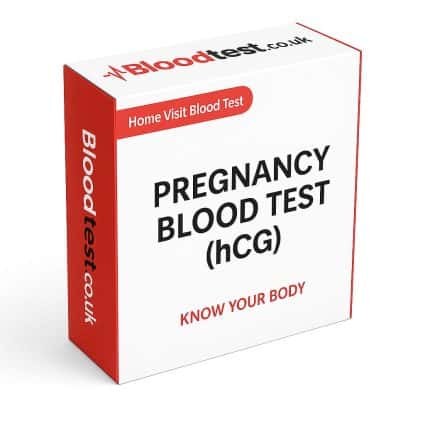

For instance, a woman in Cambridge who suspects she is pregnant will visit a clinic for a blood draw to assess her <a href="https://electroquench.com/beta-hcg-test-key-to-early-pregnancy-detection/">hCG levels</a>. Should the test confirm pregnancy, she can then collaborate with her healthcare provider to arrange further steps, including scheduling ultrasound scans and regular health assessments. The dependability of these tests is crucial for timely medical interventions if complications arise, highlighting their significance in early prenatal care throughout the UK.
Essential Steps for Undergoing Pregnancy Blood Testing in Cambridge
The standard procedure for receiving a pregnancy blood test in Cambridge is simple and efficient: a trained healthcare professional performs a blood draw at a local clinic or hospital. Patients can expect to sit comfortably while a small volume of blood is collected from a vein in the arm. This quick process typically takes less than 10 minutes. Healthcare professionals may recommend that patients hydrate adequately before the test, as proper hydration can facilitate a smoother blood draw, ensuring a positive experience for everyone involved.
Being well-informed about what to expect during this procedure can significantly alleviate anxiety for many women. Clinics in Cambridge, particularly those affiliated with the NHS, strive to create a welcoming environment, ensuring that healthcare staff communicate openly and foster patient comfort. Moreover, pre-test consultations often include discussions about potential follow-up actions based on test results, equipping patients with the knowledge they need to feel better prepared for their subsequent steps.
What Factors Can Affect the Accuracy of Pregnancy Blood Tests in Cambridge?
Several significant factors can influence the accuracy of pregnancy blood tests in Cambridge. The timing of the test is critical; testing too early may lead to false negatives due to inadequate hCG levels in the bloodstream. Most healthcare professionals recommend waiting at least one week after a missed period to ensure optimal accuracy. Additionally, the standards upheld by the laboratories conducting these tests are of paramount importance. In Cambridge, certified labs adhere to stringent NHS protocols, ensuring that equipment is properly calibrated and that staff are thoroughly trained to deliver reliable results.
Furthermore, individual health profiles can influence test outcomes. For example, conditions like ectopic pregnancies or particular hormonal disorders may result in misleading hCG levels. Healthcare providers in Cambridge must interpret results within the context of each patient’s medical history, emphasising the necessity for comprehensive consultations following test results. This holistic approach guarantees that expectant mothers receive tailored care reflecting their specific circumstances, thereby enhancing their overall prenatal experience.
How is a Pregnancy Blood Test Conducted?
What Key Steps Are Involved in the Testing Process?
The procedure for a pregnancy blood test in Cambridge generally follows a well-defined series of steps. Upon arriving at the clinic, patients will typically complete any necessary paperwork and provide pertinent medical history. After this, a healthcare professional will prepare to collect a blood sample, cleaning the area around the vein with an antiseptic wipe. A tourniquet may be applied to enhance the visibility of the veins, facilitating the blood draw and ensuring a successful sample collection.
Once the sample is taken, it is placed in a sterile vial and sent to the laboratory for analysis. In the lab, trained technicians will process the sample using established methods to measure hCG levels. Results are usually available within 24 to 48 hours, providing peace of mind to patients eagerly awaiting confirmation of their pregnancy status. This rapid turnaround is particularly beneficial for expectant mothers in Cambridge, enabling them to make timely decisions regarding their prenatal care.
Why Might Results Differ Among Individuals?
Results from pregnancy blood tests may vary between individuals due to numerous biological factors influencing hCG levels. Each woman’s body produces hormones at different rates, which can lead to discrepancies in results, even if two women test for pregnancy on the same day. Factors such as age, overall health, and the timing of the test in relation to conception can all contribute to variability in outcomes.
In the UK, healthcare guidelines aim to ensure consistency in testing. In Cambridge, laboratories implement rigorous quality control measures to minimise variability. However, healthcare providers stress the necessity of follow-up consultations if results are unclear or unexpected. Such follow-ups often include repeat testing or additional assessments to guarantee that women receive accurate information regarding their pregnancy status.
What Is the Expected Timeframe for Receiving Results in Cambridge?
The typical timeframe for obtaining pregnancy blood test results in Cambridge is impressively swift, with most patients receiving feedback within one day. This rapid response is crucial for expectant mothers who need to make informed decisions regarding their prenatal care. Clinics and hospitals in the area are well-equipped to process samples efficiently and communicate results promptly, allowing women to access necessary resources without unnecessary delay.
For example, if a test confirms pregnancy, healthcare providers can assist women in scheduling their first ultrasound and discussing vital topics such as prenatal vitamins and lifestyle adjustments. Conversely, if the test yields negative results, women can receive guidance on next steps, whether that involves waiting to retest or exploring alternative options. This prompt communication exemplifies the quality care that Cambridge hospitals and clinics are dedicated to providing.
What Categories of Pregnancy Blood Tests Are Available in the UK?
In the UK, pregnancy blood tests primarily fall into two categories: qualitative and quantitative. A qualitative test provides a straightforward yes or no answer regarding the presence of hCG in the bloodstream, while a quantitative test measures the specific levels of hCG. This quantitative approach is particularly advantageous for tracking how hormone levels fluctuate over time, offering insights into pregnancy viability and potential complications.
In Cambridge, both types of tests are conducted in accredited laboratories that adhere to NHS standards. Additionally, assessments for other hormones, such as progesterone, may also be conducted to evaluate risks associated with early pregnancy. This comprehensive array of testing options ensures that expectant mothers receive the most accurate and informative assessments possible, facilitating proactive health management throughout their pregnancies.
Are There Any Risks or Side Effects Linked to Pregnancy Blood Tests?
Pregnancy blood tests are generally considered safe procedures; however, they may involve minor risks. Common side effects include bruising at the needle site, slight discomfort, or, in rare instances, infection. In Cambridge, UK, healthcare guidelines dictate that procedures should be carried out with the utmost care to minimise these risks. Healthcare professionals are trained to adhere to strict protocols to ensure patient safety, including using sterile equipment and wearing gloves during procedures to protect both patients and staff.
Patients receive post-test advice on managing any potential side effects. For instance, applying a cold compress to the area can help alleviate swelling or bruising. If any unusual symptoms arise after a blood draw, patients are encouraged to contact their healthcare provider for guidance. By following established safety practices, clinics in Cambridge aim to provide a seamless and comfortable experience for all patients undergoing pregnancy blood tests.
Expert Insights on the Significance of Pregnancy Blood Tests in Cambridge

What Health Advantages Do Pregnancy Blood Tests Provide for Expectant Mothers?
The health benefits of pregnancy blood tests for mothers are substantial. These tests can identify complications early on, such as abnormal hormone levels or other underlying health issues that may affect pregnancy. Regular monitoring through blood tests enables healthcare providers in Cambridge to pinpoint potential risks and take timely action, which is vital for improving maternal and fetal health outcomes.
Research indicates that early detection of complications can lead to enhanced management strategies, increasing the chances of positive outcomes for both mother and baby. For instance, women who undergo routine blood testing are better positioned to receive tailored care plans that address their specific health needs. This proactive approach not only reassures expectant mothers but also fosters a supportive environment where they can openly discuss their health concerns with their healthcare providers.
How Do Pregnancy Blood Tests Aid in Early Detection of Complications?
Pregnancy blood tests play a crucial role in facilitating early detection of potential issues such as ectopic pregnancies or miscarriage. In Cambridge, local studies have demonstrated that timely blood testing can identify abnormal hormone levels that may indicate complications. This early detection is essential for effectively managing pregnancies, as it enables healthcare providers to take necessary actions before more serious issues arise.
Insights from healthcare professionals underscore the importance of vigilance during early pregnancy. With appropriate testing and monitoring in place, expectant mothers can feel more secure in their pregnancies. Clinicians in Cambridge routinely highlight the benefits of regular blood tests and encourage their patients to engage in open discussions about any concerns during this pivotal period.
Why Do UK Specialists Recommend Regular Pregnancy Blood Tests?
UK specialists advocate for pregnancy blood tests as they align with national guidelines aimed at ensuring the health and safety of mothers and babies. These tests offer numerous benefits tailored to the needs of expectant parents in Cambridge. Key advantages include:
- Early detection of pregnancy complications
- Accurate confirmation of pregnancy status
- Monitoring hormonal levels for improved prenatal care
- Personalised health plans based on individual results
Healthcare providers promote these tests because they enhance the overall quality of prenatal care. By adhering to established guidelines, specialists in Cambridge ensure that women receive expert recommendations prioritising their health and that of their babies, reinforcing the significance of these tests in comprehensive prenatal management.
What Are the Latest Developments in Pregnancy Blood Tests?
The field of pregnancy blood testing has seen remarkable advancements, particularly with the integration of state-of-the-art technology that enhances detection capabilities. Facilities in Cambridge are at the forefront of these innovations, utilising sophisticated laboratory techniques that enable more precise measurements of hormone levels. Recent studies from the UK have highlighted improvements in the ability to screen for genetic conditions early in pregnancy, granting expectant parents more informed options regarding their health management.
These advancements not only boost test accuracy but also streamline the processes involved, ensuring results are delivered swiftly. As technology evolves, the potential for early interventions and personalised care plans expands, empowering mothers-to-be with the information they require to support their pregnancy journey proactively. Experts in Cambridge consistently update their practices to incorporate these innovations, ensuring that local services remain aligned with the best available practices.
Research-Supported Advantages of Pregnancy Blood Tests in Cambridge
What Benefits Do Pregnancy Blood Tests Offer for Expectant Mothers?
How Do They Enhance Prenatal Planning and Care?
Pregnancy blood tests significantly enhance prenatal planning by providing essential information that aids healthcare providers in scheduling critical appointments and scans. Accurate test results enable expectant mothers in Cambridge to collaborate with their healthcare teams to formulate personalised care plans, ensuring that every aspect of their prenatal care is tailored to their unique needs and circumstances.
By understanding hormone levels and potential risks associated with pregnancy, healthcare providers can recommend specific timelines for ultrasounds and additional tests. This proactive approach is especially beneficial, as it helps women feel more organised and prepared for childbirth. Furthermore, having a clear plan in place can alleviate stress and anxiety, allowing expectant mothers to concentrate on their well-being and that of their unborn child.
What Emotional Support and Reassurance Do Pregnancy Blood Tests Provide?
The emotional support offered by pregnancy blood tests is invaluable. Receiving accurate results brings reassurance, alleviating stress for families during a time filled with uncertainty. In Cambridge, healthcare providers recognise the psychological impact that pregnancy can have on women and their families. Consequently, they often integrate counselling and emotional support services alongside medical care.
This holistic approach assists families in navigating the complexities of pregnancy while prioritising emotional well-being. For example, clinics may provide support groups or individual counselling sessions for those seeking additional reassurance or assistance in processing their feelings about the pregnancy journey. Such resources equip families with the tools they need to effectively manage their emotions as they navigate this significant life change.
Are There Long-Term Health Benefits for the Baby from Early Detection?
Early detection facilitated by pregnancy blood tests presents several long-term benefits for the baby. Monitoring hormonal levels and identifying potential genetic conditions increases the likelihood of positive health outcomes from the very start of the pregnancy. In accordance with UK protocols, early interventions can be implemented if any issues are detected, ensuring optimal development throughout the pregnancy.
For instance, regular blood tests can help assess the risk of conditions such as gestational diabetes or pre-eclampsia, allowing for timely management strategies that support both maternal and fetal health. These proactive measures can lead to healthier outcomes for the baby, ensuring they receive the best possible start in life. In Cambridge, healthcare providers are dedicated to implementing these strategies, demonstrating their commitment to the health of both mothers and their children.
Key Considerations for Undergoing Pregnancy Blood Tests in Cambridge
What Preparation Is Suggested Before the Test?
Preparation for a pregnancy blood test in Cambridge is generally straightforward; however, certain guidelines should be followed to ensure accurate results. Patients are typically advised to remain well-hydrated prior to the test, as this can make veins more prominent and facilitate easier blood draws. While fasting is usually not required, confirming any specific instructions with the healthcare provider before the appointment is advisable to ensure a smooth process.
Moreover, women should inform their healthcare provider of any medications or supplements they are currently taking, as these could potentially influence hormone levels. By adhering to these preparation tips, patients can help guarantee a smooth testing experience at Cambridge facilities, minimising discomfort and maximising the accuracy of their results.
How Can You Choose the Right Clinic for Testing in Cambridge?
Selecting the appropriate clinic for a pregnancy blood test in Cambridge involves several considerations. Firstly, it is essential to seek out NHS-accredited facilities, as this ensures that clinics adhere to stringent standards of care and testing procedures. Additionally, patients should evaluate appointment and test result wait times, as timely access to testing can significantly impact prenatal care.
Researching clinic reviews and seeking recommendations from friends or family can provide valuable insights into patient experiences. Ultimately, the goal is to find a reputable clinic where expectant mothers feel comfortable and supported throughout their testing journey. This thoughtful selection process enhances the overall experience and contributes to improved health outcomes.
What Follow-Up Actions Should Be Taken After the Test?
After a pregnancy blood test, recommended follow-up actions generally include consulting a GP or midwife to accurately interpret the results. Understanding the implications of the results is crucial for planning subsequent steps in prenatal care. In Cambridge, healthcare providers frequently schedule follow-up appointments to discuss findings and address any questions or concerns patients may have.
Depending on the results, further testing may be warranted, or discussions about lifestyle changes and prenatal vitamins may be necessary. This ongoing support ensures that expectant mothers receive the guidance they need as they navigate their pregnancy, emphasising the importance of comprehensive care in fostering healthy outcomes for both mother and baby.
Common Inquiries About Pregnancy Blood Tests
What Is a Pregnancy Blood Test and How Does It Function?
A pregnancy blood test measures hormone levels, specifically hCG, to confirm pregnancy and evaluate its viability, providing crucial information for expectant mothers.
Where Can I Obtain a Pregnancy Blood Test in Cambridge?
You can obtain a pregnancy blood test at local clinics, hospitals, and NHS facilities throughout Cambridge, ensuring accessible care for all.
How Reliable Are Pregnancy Blood Tests in General?
Pregnancy blood tests are highly reliable, with approximately 90% accuracy during the first trimester when performed correctly under professional supervision.
What Should I Expect During the Blood Draw Procedure?
You can expect a straightforward, quick procedure in which a healthcare professional will take a small blood sample from your arm, typically lasting less than ten minutes.
How Long Does It Take to Receive Results from the Test?
Most pregnancy blood test results are available within 24 to 48 hours after the sample is collected, providing timely information for expectant mothers.
Do I Need to Prepare for the Pregnancy Blood Test?
While fasting is typically not required, staying hydrated and informing your healthcare provider about any medications you are taking can be beneficial for accurate results.
What If My Test Results Are Negative but I Still Feel Pregnant?
If you feel pregnant despite negative test results, consult your healthcare provider for further evaluation and potential retesting to ensure accurate information.
Can Pregnancy Blood Tests Detect Ectopic Pregnancies?
Yes, pregnancy blood tests can help identify abnormalities such as ectopic pregnancies by monitoring hCG levels and assessing hormonal changes.
Are There Any Risks Associated with Blood Tests?
While generally safe, risks may include minor bruising or discomfort at the injection site. Serious complications are rare but should be monitored.
How Often Should I Be Tested During Pregnancy?
Your healthcare provider will recommend testing frequency based on your individual circumstances, typically involving regular monitoring throughout the pregnancy for optimal care.
Connect with us on Facebook for More Information!

This Article Was First Found On https://bloodtest.co.uk
The Article Pregnancy Blood Test: Your Essential Guide in Cambridge found first on https://electroquench.com