Gain In-Depth Knowledge About Dairy Intolerance Testing in Birmingham
What symptoms should you be vigilant about that may suggest dairy intolerance?
Private Dairy Intolerance Test in Birmingham: Many residents of Birmingham who suffer from dairy intolerance frequently report experiencing a variety of distressing symptoms that can significantly interfere with their everyday lives. Commonly reported problems include pronounced bloating, chronic gas, and numerous skin conditions, such as rashes or eczema. Additionally, many individuals also face gastrointestinal issues, including diarrhoea after consuming dairy products, which serves as a strong indicator of potential lactose malabsorption. It is essential to recognise these symptoms promptly; there are various local testing options available that can accurately diagnose these intolerances, enabling timely dietary modifications that can provide relief from discomfort.
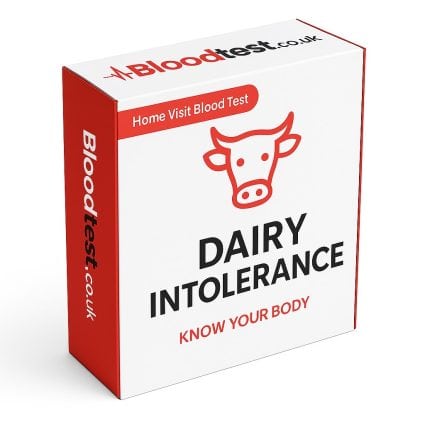

Health professionals recommend closely monitoring these symptoms to enhance overall well-being and quality of life.
- Bloating
- Gas
- Skin problems (e.g., rashes)
- Diarrhoea
- Abdominal cramps
- Nausea
- <a href="https://electroquench.com/low-testosterone-recognising-symptoms-and-fatigue-in-men/">Fatigue</a>
With suitable testing services readily accessible in Birmingham, individuals can identify their specific triggers and make informed dietary choices that promote overall health and wellness.
What types of dairy intolerance tests are available in Birmingham?
Birmingham offers a wide range of dairy intolerance testing options tailored to meet various needs. Home testing kits have surged in popularity, providing individuals with the convenience to conduct preliminary evaluations from the comfort of their homes. However, traditional clinical testing continues to be the gold standard for accuracy, with local clinics providing reliable options such as breath tests and blood tests. These advanced testing methods are essential for accurately diagnosing lactose intolerance and other dairy-related sensitivities. They not only assist in pinpointing the issue but also help formulate personalised health management strategies from local healthcare professionals.
By utilising these services, individuals gain access to tailored recommendations that effectively address their unique intolerances and dietary needs, ultimately improving their quality of life.
How should I interpret the outcomes of my dairy intolerance test?
Upon receiving results from laboratories in Birmingham, it is vital to interpret them carefully. Test results may indicate deficiencies in specific enzymes, particularly lactase, which is essential for the breakdown of lactose. Understanding this deficiency can inform crucial dietary changes, enabling individuals to avoid discomfort and effectively manage symptoms. Support from UK health advisers proves invaluable in this context—they provide clarity regarding the results and assist patients in navigating the subsequent steps in their dietary journey.
Collaborating closely with these professionals allows patients to develop a comprehensive plan tailored to their specific intolerances, ensuring a balanced and healthy lifestyle moving forward.
How to Prepare Effectively for a Dairy Intolerance Test?
What steps should I follow to arrange my testing appointment?
Arranging an appointment for a dairy intolerance test in Birmingham is straightforward. Most health centres offer user-friendly online platforms where patients can conveniently schedule their visits at their preferred times. Alternatively, individuals can directly contact the clinic to arrange a suitable time. It is crucial to adhere to pre-test instructions, such as fasting, to ensure the accuracy of results. Reputable UK facilities typically provide clear guidance on these requirements, which can significantly impact the reliability of test outcomes.
Being aware of these essential steps ensures that patients are thoroughly prepared, maximising the effectiveness of their testing experience.
What dietary changes should I consider prior to testing?
In the days leading up to a dairy intolerance test, clinics in Birmingham often recommend that patients eliminate dairy products from their diets. This precaution is vital for obtaining accurate data, as it helps to reduce any residual effects of lactose in the body that could potentially skew results. Following a monitored elimination diet is common practice in the UK, ensuring the test accurately reflects the patient’s true tolerance levels.
By adhering to these dietary adjustments, individuals not only prepare themselves for more reliable outcomes but also develop a heightened awareness of their bodies and their reactions to various foods.
What potential side effects should I be aware of?
After undergoing a dairy intolerance test, some patients in Birmingham may experience mild reactions, such as nausea or slight discomfort. While these side effects are generally temporary, they can be unsettling for those affected. Local experts suggest implementing straightforward management techniques to alleviate these reactions and ensure a smoother transition after testing. Being cognisant of these potential outcomes enables patients to manage any discomfort more effectively while adhering to UK healthcare guidelines for safety.
Engaging in open discussions with healthcare providers can also offer additional support, providing strategies for coping with post-test symptoms, thereby enhancing the overall testing experience.
What should I expect during the dairy intolerance testing process?
When attending a dairy intolerance test at a Birmingham health centre, patients can expect a well-organised and professional environment. The testing procedure typically involves sample collection, which may include either breath samples or blood draws, contingent on the specific test being administered. The duration of these tests can vary; however, most are designed to be swift and efficient, usually lasting less than an hour. Following UK guidelines, clinics ensure that patients are comforted and informed throughout the process, minimising any stress and anxiety.
Being mentally and physically prepared for the test can greatly enhance the experience, allowing individuals to focus on the results and the subsequent steps in their health management.
What importance does post-test follow-up care hold?
Post-test follow-up care is crucial for effectively managing dairy intolerance. In Birmingham, reviewing results with healthcare providers is essential for understanding the implications of the findings. Patients should schedule follow-up appointments to discuss their results in detail, allowing for tailored recommendations from UK specialists. This ongoing relationship is vital for implementing suggested dietary changes and monitoring long-term health benefits.
Engaging with healthcare providers supports individuals in maintaining their intolerance management, ultimately improving their quality of life and sustaining wellness.
Expert Insights on Dairy Intolerance Testing in Birmingham
What are the latest developments in dairy intolerance testing research?
Recent studies conducted in the UK have highlighted significant advancements in the accuracy of dairy intolerance tests performed in Birmingham. Local trials have shown that improvements in testing methodologies have led to enhanced patient outcomes, facilitating clearer identification of lactose intolerance and related sensitivities. These findings underscore the necessity of using updated tests, as they provide crucial information that assists in formulating effective dietary plans.
For those seeking clearer insights into their health, these actionable steps, based on the latest research, can help them make informed dietary choices, ultimately fostering an improved quality of life.
What role do specialists play in the testing process?
Consultants in Birmingham play an essential role in ensuring comprehensive evaluations during dairy intolerance testing. By employing evidence-based methods, these specialists provide patients with a thorough understanding of their health status. Trustworthy strategies from UK experts guarantee that individuals receive personalised follow-up care, facilitating effective intolerance management.
This professional oversight is critical; it not only enhances the accuracy of assessments but also promotes a collaborative approach to health management, encouraging patients to actively participate in their wellness journeys.
Why should I opt for professional testing rather than self-diagnosis?
Choosing professional testing in Birmingham provides numerous advantages over self-diagnosis. Certified professionals possess the expertise to offer in-depth guidance, helping individuals adeptly navigate the complexities of dairy intolerance. By relying on their knowledge, patients can avoid the pitfalls associated with self-diagnosis, which often leads to misguided dietary choices.
Incorporating actionable steps based on UK best practices, professional assessment ensures that individuals are well-informed, empowering them to take control of their health and make educated decisions regarding their diets and lifestyles.
Research-Supported Benefits of Dairy Intolerance Testing in Birmingham
How does testing contribute to improved quality of life?
Evidence from UK research indicates that dairy intolerance testing in Birmingham can significantly enhance individuals’ quality of life. By alleviating uncomfortable symptoms associated with dairy consumption, patients frequently report increased vitality and improved nutritional intake. Notably, studies reveal that effectively managing intolerance leads to considerable lifestyle improvements.
- Increased energy levels
- Better digestive health
- Improved skin conditions
- Heightened mental clarity
- Enhanced overall well-being
Through the insights gained from testing, individuals can adopt more suitable diets, leading to a healthier existence and improved daily functioning.
What long-term health benefits can result from testing?
Research indicates that patients in Birmingham who undergo dairy intolerance testing face a diminished risk of long-term complications. Continuous dietary management is a key strategy within UK health frameworks, ensuring ongoing symptom relief for individuals. By comprehending their intolerances, patients can make informed choices that support overall health and reduce the likelihood of further gastrointestinal issues.
Experts emphasise the significance of proactive management, highlighting that those who engage with their dietary choices can achieve lasting well-being and avoid health pitfalls associated with untreated intolerances.
How can I evaluate the effectiveness of different testing methods?
Assessing various testing approaches available in Birmingham reveals that specific methods demonstrate greater efficacy in accurately identifying dairy intolerance. Research indicates notable differences in success rates among the options. For instance, breath tests have shown superior accuracy in diagnosing lactose malabsorption compared to other techniques, such as symptom questionnaires.
By understanding these distinctions, patients can make informed decisions regarding which tests to pursue. Practical insights from UK experts guide individuals towards selecting the most effective assessments, ensuring optimal management of their intolerances and overall health.
What economic advantages can arise from testing in Birmingham?
Research focusing on the cost-effectiveness of dairy intolerance tests in Birmingham highlights substantial financial benefits for patients. By accurately diagnosing intolerances, individuals can avoid unnecessary healthcare costs associated with misdiagnosed conditions. Moreover, improved patient outcomes lead to increased productivity, thereby enhancing economic contributions to the community.
Local studies illustrate how timely testing alleviates individual suffering while simultaneously promoting broader economic health, reinforcing the importance of investing in accurate diagnostic services within the UK healthcare system.
What patient support and education resources are available following testing?
Post-testing support and education are fundamental components of successfully managing dairy intolerance in Birmingham. Evidence-based strategies for patient education foster adherence to dietary changes, ensuring individuals remain committed to their health objectives. UK studies demonstrate that those who receive ongoing support are more likely to achieve long-term health improvements.
Healthcare providers in Birmingham play a vital role in this process, offering resources and guidance that empower patients to navigate dietary adjustments with confidence. This ongoing education nurtures a supportive environment, improving overall quality of life for those managing intolerances.
What Are the Financial Implications of Dairy Intolerance Testing?
What factors influence the costs of testing?
Understanding the financial implications associated with dairy intolerance testing in Birmingham is crucial for effective budgeting. Several factors contribute to overall expenses, including clinic fees, the specific tests selected, and any additional consultations that may be required. Prices can vary significantly across services, making it essential for individuals to research and compare options to identify the most suitable solutions within the UK’s healthcare pricing framework.
By being informed about these factors, patients can financially prepare for their testing experience, ensuring they receive the necessary care without unexpected expenses.
Is testing covered by health insurance in the UK?
For residents of Birmingham, accessing subsidised options for dairy intolerance testing through health insurance may be feasible. Many UK insurers offer coverage for diagnostic tests, although eligibility criteria can differ. Patients are encouraged to consult with their insurance providers to clarify the specifics of their policies and any potential out-of-pocket expenses.
Utilising insurance coverage effectively can alleviate the financial burden of testing, making it more accessible for those aiming to understand their dietary intolerances.
What hidden costs should I be mindful of afterwards?
In addition to the initial costs of dairy intolerance testing, patients in Birmingham should remain vigilant regarding potential follow-up expenses. Dietary counselling sessions may be necessary to assist with implementing dietary changes, contributing to the overall financial commitment. Recognising these potential ongoing fees within the UK system is essential for the effective long-term management of intolerance results.
By planning for these additional costs, individuals can ensure they are fully prepared for the journey ahead, prioritising their health without incurring financial strain.
How to Identify the Right Clinic for Dairy Intolerance Testing in Birmingham?
Where can I find accredited testing facilities?
Identifying accredited facilities for dairy intolerance testing in Birmingham is crucial for ensuring reliable results. Key clinics are registered with UK health organisations and offer trustworthy services that adhere to strict standards. Researching these establishments and their certifications can guide individuals toward the best options for accurate testing and personalised care.
By selecting accredited facilities, patients can feel assured of the quality of care they receive, significantly enhancing their testing experience.
What questions should I ask my provider before testing?
When consulting with experts about dairy intolerance testing in Birmingham, patients should compile a list of important questions to ensure clear communication. Inquiries should encompass test procedures, anticipated outcomes, and follow-up care options. An open dialogue with providers guarantees that patients receive thorough answers, enabling informed decisions within the UK healthcare system.
This proactive approach encourages a collaborative relationship with healthcare professionals, underscoring the importance of effective communication in managing intolerances.
What follow-up care options are available after testing?
Post-test support is crucial for maintaining health improvements following dairy intolerance testing in Birmingham. Ongoing monitoring services are available locally, allowing patients to collaborate with healthcare providers to ensure effective management of their intolerances. This continuous support is essential for adjusting dietary choices and sustaining overall health in accordance with UK standards.
By engaging with follow-up care options, individuals can confidently navigate their dietary changes, ensuring long-term success in managing their health.
How can I evaluate a clinic's reputation through patient reviews?
Evaluating patient testimonials and online ratings for Birmingham clinics provides valuable insights into their reputation and quality of service. These reviews can assist individuals in selecting establishments that comply with rigorous UK health regulations, ensuring reliable services for accurate intolerance testing. By prioritising clinics with positive feedback, patients can enhance their chances of a successful testing experience and overall satisfaction.
Being informed about a clinic's reputation not only aids in making educated choices but also instils confidence in the healthcare journey.
Frequently Asked Questions
What does a dairy intolerance test involve?
A dairy intolerance test is a diagnostic procedure designed to determine whether an individual has an adverse reaction to dairy products, primarily focusing on lactose intolerance and its associated symptoms.
How long does a dairy intolerance test typically take?
Typically, a dairy intolerance test lasts less than an hour, encompassing sample collection and processing to ensure a quick and efficient testing experience.
Are at-home tests considered reliable?
At-home tests can provide initial insights but may not be as precise as clinical tests; it is advisable to consult professionals for confirmation.
What should I avoid consuming prior to the test?
Patients are generally advised to refrain from dairy products for several days before the test to ensure accurate results.
When can I expect to receive my test results?
Results are typically available within a few days following testing, allowing individuals to promptly address their dietary intolerances.
Can children undergo dairy intolerance testing?
Yes, children can be tested for dairy intolerance; however, it is crucial to consult a healthcare provider for age-appropriate testing methods.
What dietary changes may I need to implement based on the results?
Depending on test results, individuals may need to eliminate or reduce dairy consumption to effectively manage their symptoms and enhance overall health.
Is dairy intolerance synonymous with lactose intolerance?
Dairy intolerance is a broader term encompassing lactose intolerance but can also refer to sensitivities to proteins found in dairy products.
Are there any associated risks with testing?
Generally, dairy intolerance tests are safe; however, minor reactions or discomfort may occur post-testing and can typically be managed effectively.
How do I choose the right clinic for testing?
Selecting the right clinic involves researching accredited facilities, reviewing patient feedback, and asking providers important questions to ensure quality care.
Connect with us on Facebook!
This Article Was First Found On https://bloodtest.co.uk
The Article Dairy Intolerance Test Options in Birmingham: Explore Today found first on https://electroquench.com