Your Ultimate Guide to Selecting the Ideal Melting Tools for Hair Extensions in Salons
What Are Melting Tools and How Do They Enhance Hair Extension Applications?
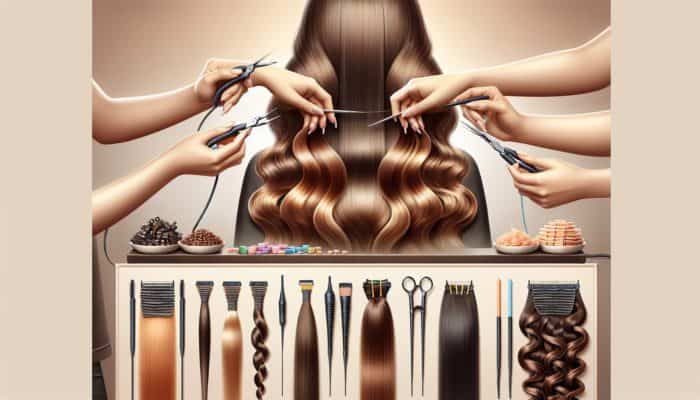
In the salon industry, melting tools are essential instruments that facilitate the precise and effective application of hair extensions. These tools play a crucial role in achieving a seamless integration between extensions and the client's natural hair, resulting in a visually appealing look that also enhances comfort and the longevity of the extensions. The market offers a wide array of melting tools, each designed for specific extension techniques and various hair types. Whether working with keratin bonds, tape-ins, or other methods, selecting the appropriate melting tool is vital for ensuring successful application and optimal results.
When choosing a melting tool, it is essential to evaluate its compatibility with the materials used in the extensions. This compatibility ensures optimal functionality, resulting in a durable bond that lasts over time. Melting tools vary significantly in terms of temperature settings, safety features, and user-friendliness, making it imperative for salon professionals to make informed choices that cater to the specific needs of their clients.
Explore the Wide Variety of Melting Tools Available for Salon Professionals
The category of melting tools encompasses a broad range of devices that can be classified into heat-based tools and ultrasonic tools. Among the most popular in salons are heat-based melting tools, including glue guns and melting wands, which employ controlled heat to bond extensions to natural hair, proving particularly effective for keratin-based extensions. These tools allow stylists to apply heat directly to the bond, ensuring a strong attachment that enhances the lifespan of the extensions.
On the other hand, ultrasonic melting tools utilise sound waves to create vibrations that gently heat the bond without direct contact. This method is especially beneficial for delicate hair types, significantly reducing the risk of heat damage while ensuring a secure bond. Furthermore, advanced models often feature adjustable temperature settings and ergonomic designs, accommodating the diverse needs of stylists in various working environments. Choosing the right type of melting tool depends on the specific extension technique and the stylist’s application style.
Discover the Extensive Benefits of Melting Tools in Hair Extensions
The application of melting tools in hair extensions offers numerous advantages that significantly enhance the quality of salon services. A primary benefit is the natural appearance and feel achieved through their use. Clients actively seek extensions that blend seamlessly with their own hair, and selecting the correct melting tool facilitates this integration, resulting in a look that is strikingly realistic. This aesthetic enhancement is crucial for ensuring client satisfaction and fostering long-term loyalty.
Moreover, utilising melting tools can greatly improve operational efficiency within salons. Traditional methods of applying extensions can be laborious and time-consuming. However, with the right tools, stylists can execute procedures more swiftly, allowing them to accommodate a higher volume of clients each day. Additionally, extensions applied using melting tools typically exhibit greater durability and longevity, ensuring clients receive exceptional value for their investment. Ultimately, these advantages contribute to a more enjoyable experience for clients during and after the extension application process.
Key Factors to Consider When Selecting Melting Tools for Hair Extensions
What Essential Elements Should You Assess When Choosing Melting Tools?
When selecting melting tools for hair extension applications, several critical factors must be considered to ensure optimal performance and client satisfaction. The first step involves examining the specific types of hair extensions commonly used, as different extension methods may necessitate particular tools to achieve the best results.
Furthermore, ease of use is paramount; tools that are intuitive and comfortable can significantly enhance stylist efficiency. Safety features are equally vital, protecting both stylists and clients from potential accidents or damage. Key aspects to evaluate include:
- Compatibility with various extension types
- Temperature control settings
- Ergonomic design to improve handling
- Durability and overall construction quality
- Brand reputation and customer feedback
- Availability of replacement parts
- Pricing and warranty options
By thoroughly assessing these factors, salon professionals can select melting tools that align with their operational needs and elevate the quality of their services.
How Can You Assess the Quality of Melting Tools?
Evaluating the quality of melting tools is essential for ensuring a professional finish and safeguarding client safety during extension applications. To assess quality, begin by examining the durability of the tool; high-quality materials and construction indicate a product built to last. Precision is also a vital aspect; tools that heat evenly and maintain consistent temperatures greatly influence the bonding process, ensuring extensions adhere effectively without causing damage to natural hair.
Real-world assessment examples involve reviewing testimonials and feedback from other professionals in the industry. Tools that receive positive reviews often signify reliable performance. Additionally, consider conducting hands-on trials whenever feasible, as experiencing the weight and grip of the tool can provide valuable insights into usability. Checking for safety features such as automatic shut-off mechanisms and temperature controls is equally important, as these elements enhance the overall safety of the application process.
Why Is Comprehensive Training Vital for the Effective Use of Melting Tools?

Comprehensive training in the use of melting tools is essential for achieving outstanding results and maintaining client trust. Stylists who receive thorough training are better equipped to navigate the complexities of various melting techniques, ensuring they can apply extensions with precision and skill. This level of expertise not only enhances the quality of the services provided but also builds client confidence, making them more likely to return for future treatments.
Moreover, proper training reduces the chances of accidents or mistakes during the application process. Understanding best practices, such as managing heat levels and applying bonds correctly, helps prevent damage to both the extensions and the client’s natural hair. Salons prioritising training often enjoy improved reputations, as satisfied clients share their experiences, leading to a growing clientele. Investing in ongoing education and training opportunities is crucial for any salon committed to delivering high-quality extension services.
What Are the Latest Innovations in Melting Tools for Salon Use?
The domain of melting tools for salon applications continues to evolve, with new technologies and innovations improving their efficiency and safety. Recent advancements include the introduction of cordless melting tools, which provide stylists with greater freedom of movement during applications. This innovation significantly enhances the working environment by removing restrictions imposed by cords, leading to increased flexibility.
Additionally, advancements in temperature management technologies ensure that melting tools maintain consistent heat levels tailored to various extension materials. Some modern tools even feature digital displays that allow for precise temperature adjustments, accommodating different hair types and extension methods. These innovations not only improve bond quality but also enhance client comfort by minimising the risk of overheating.
Furthermore, manufacturers are increasingly focusing on ergonomic designs that reduce strain on stylists’ hands and wrists, fostering better working conditions during prolonged use. Staying informed about these innovations can provide salons with a competitive edge, enabling them to deliver the best services possible to their clients.
How to Effectively Maintain and Care for Melting Tools?
Proper care for melting tools is crucial for preserving their performance and longevity. Regular maintenance not only ensures optimal functionality but also enhances client safety during the application process. To keep melting tools in peak condition, adhere to these fundamental guidelines:
1. Clean the tools thoroughly after each use to remove any residue from extension adhesives.
2. Store tools in a designated area, away from direct sunlight and moisture.
3. Regularly check for signs of wear and tear, including frayed cords or damaged heating elements.
4. Follow the manufacturer's guidelines for specific care recommendations, including calibration and safety checks.
By implementing a consistent maintenance routine, salons can extend the life of their melting tools, ensuring they remain reliable assets in their service offerings. An effective maintenance and care regimen directly contributes to the overall quality of the salon experience for clients.
How Do Melting Tools Operate?
Understanding the Basic Principles Behind Melting Tools
Melting tools operate based on fundamental principles, utilising either heat or ultrasonic wave energy to bond extensions to natural hair, ensuring seamless integration. With heat-based tools, controlled heat softens the adhesive in the extensions, allowing it to melt and fuse with the client’s hair. This process requires precision; overheating can cause damage, while inadequate heat may lead to weak bonds.
In contrast, ultrasonic melting tools employ sound waves to create vibrations that gently heat the bond. This technique evenly distributes heat across the area, minimising the risk of hair damage while achieving a secure attachment. Understanding these principles is vital for stylists, empowering them to select the appropriate tool and technique based on their clients' specific needs and the types of extensions being used.
What Technologies Are Employed in Melting Tools?
Melting tools incorporate various technologies, each designed to accommodate specific hair types and extension methods. The most common technology is heat fusion, which applies direct heat to the adhesive in keratin bonds, facilitating a secure attachment to the natural hair. This method is particularly effective for clients with thicker hair, as it creates a robust bond that can withstand daily styling.
Another significant technology is ultrasonic bonding, which offers a gentler approach by utilising sound waves to generate heat without direct contact. This method is ideal for finer hair types or sensitive scalps, as it greatly reduces the risk of heat-related damage. Additionally, some advanced melting tools incorporate infrared technology, ensuring precise heating while maintaining consistent temperatures, which further enhances the bonding process.
Each technology presents unique benefits, making it essential for salon professionals to understand the distinctions. By selecting the appropriate technology based on hair type and desired outcomes, stylists can ensure optimal performance and client satisfaction.
What Safety Features Should Be Prioritised in Melting Tools?
Modern melting tools come equipped with various safety features designed to protect both stylists and clients during the extension application process. One of the most significant advancements is temperature control, which allows stylists to adjust heat levels according to the specific adhesive and hair type being utilised. This feature is critical for preventing heat damage to natural hair and ensuring effective, safe bonding.
Another common safety feature is the automatic shut-off function, which deactivates the tool after a predetermined period of inactivity. This function prevents accidents and ensures that the tool does not overheat while not in use, further safeguarding against potential hazards.
Additionally, many high-quality melting tools now feature insulated handles that offer a comfortable grip while preventing heat transfer to the stylist's hands. These safety features contribute to a more secure working environment and promote confidence among stylists as they work on their clients.
How to Select the Perfect Melting Tool for Your Salon's Unique Requirements?
Choosing the ideal melting tool is a significant decision influenced by multiple factors, including hair type, desired results, and budget considerations. Initially, assess the primary types of hair extensions you offer in your salon. If keratin bonds are your main focus, a high-quality heat-fusion tool may be the most suitable choice. Conversely, if you cater to clients with finer hair, exploring ultrasonic tools could provide a gentler alternative that ensures a secure bond while minimising the risk of damage.
Next, consider the desired results and the techniques you aim to achieve. Some tools are specifically designed for particular bonding methods, so understanding the requirements of each technique will guide you in making an informed decision. Finally, evaluate your budget; while investing in high-quality tools may necessitate a higher upfront cost, the long-term benefits in durability and performance can yield significant returns.
By thoroughly considering these aspects, you can select the melting tool that best aligns with your salon's needs and enhances the quality of your extension services.
What Maintenance Routines Should Be Followed for Melting Tools?
To ensure that melting tools function effectively, regular maintenance and care are essential. Cleaning tools after each use is crucial; removing adhesive residue prevents build-up that can hinder performance over time. Utilise a soft cloth and the manufacturer's specified cleaning solutions to avoid damaging sensitive components.
Proper storage is equally vital; tools should be kept in a designated area, safeguarded from moisture and extreme temperatures. Regularly inspect tools for signs of wear and tear, such as frayed cords or damaged heating elements. Addressing these issues promptly can prevent further damage and ensure safety during use.
Following the manufacturer's maintenance and care guidelines can significantly extend the lifespan of your melting tools. By implementing these practices, salons can maintain optimal performance and reliability, ultimately contributing to enhanced client satisfaction.
What Are the Main Advantages of Using Melting Tools?
Achieving Outstanding Aesthetics with Melting Tools
The application of melting tools in hair extension processes dramatically enhances the aesthetic appeal of the final results. These tools enable a seamless blend between the extensions and the client’s natural hair, creating a more realistic appearance that clients desire. Clients often seek extensions that do not appear artificially attached, and the precise application facilitated by melting tools allows for a flawless finish that exceeds expectations.
Moreover, melting tools empower stylists to create a wide range of styles and textures, catering to diverse client preferences. This versatility enriches the overall client experience, as stylists can tailor extensions to meet individual styles and needs. With the right melting tool, the fusion of extensions can be virtually undetectable, leaving clients feeling confident and satisfied with their new look.
The enhanced aesthetics achieved with melting tools not only elevate client satisfaction but also significantly contribute to the salon's reputation. When clients receive high-quality results that meet their expectations, they are more likely to return and recommend the salon to friends and family, thereby driving business growth and establishing a loyal clientele.
Maximising Time Efficiency in Salon Services with Melting Tools
The utilisation of melting tools during the extension application process significantly enhances time efficiency in salon services. Traditional methods of applying extensions can be laborious and time-consuming, often requiring several hours to achieve satisfactory results. However, with advanced melting tools, stylists can complete the task more swiftly, allowing them to accommodate a greater number of clients in a single day.
The speed at which extensions can be applied directly impacts the salon’s productivity and profitability. By reducing the time spent on each application, salons can increase their turnover rate and schedule more appointments throughout the day. This increased efficiency benefits both stylists and clients, as clients appreciate shorter appointment times while still receiving high-quality service.
Moreover, time efficiency can significantly enhance the overall client experience. Clients often lead busy lives, and the ability to receive quality extension services promptly can elevate their satisfaction. As a result, the use of melting tools not only streamlines the application process but also strengthens the salon-client relationship.
Ensuring the Durability and Longevity of Extensions with Melting Tools
Extensions applied using melting tools are renowned for their durability and longevity, providing clients with superior value for their investment. The precise bonding techniques facilitated by these tools create a secure attachment, minimising the likelihood of extensions slipping or falling out prematurely. This reliability is particularly crucial for clients who seek long-lasting results from their hair extensions.
Furthermore, extensions applied with high-quality melting tools tend to withstand everyday wear and tear better. Clients can engage in their usual activities without worry that their extensions will become loose or damaged. This durability not only enhances client satisfaction but also establishes the salon as a trusted provider of high-quality services.
The salon's longevity also contributes to its reputation. When clients experience the benefits of durable extensions, they are more likely to return for future services and recommend the salon to others. This organic word-of-mouth marketing is invaluable for cultivating a loyal client base and ensuring the salon's long-term success.
Enhancing Client Comfort During Extension Application
Client comfort is a critical consideration throughout the extension application process, and the use of melting tools significantly improves this aspect. The advanced techniques employed by melting tools facilitate a smoother application process, alleviating discomfort and irritation commonly associated with traditional methods. Clients appreciate the gentle, precise bonding enabled by these tools, leading to a more enjoyable salon experience.
Additionally, the ergonomic designs of many modern melting tools contribute to increased comfort for stylists as well. Lightweight, easy-to-handle tools reduce physical strain on the stylist, enabling them to provide a more relaxed, efficient service. This synergy between client and stylist comfort cultivates a positive atmosphere in the salon, encouraging clients to return for future services.
Ultimately, the increased comfort provided by melting tools not only enhances clients' immediate experience during extension applications but also strengthens their overall satisfaction with the salon's services. Happy clients are more likely to share their positive experiences with others, contributing to the salon's success.
Embracing Versatility in Styling Options with Melting Tools
Melting tools offer remarkable versatility, enabling stylists to cater to a diverse array of client preferences and hair types. With the capability to create an abundance of looks—ranging from voluminous waves and sleek straight styles to intricate updos—stylists can effectively utilise melting tools to achieve the desired aesthetic for each client. This versatility significantly enriches the overall salon experience, as clients are offered a broader selection of styles.
Moreover, the adaptability of melting tools extends to various extension methods. Whether employing keratin bonds, tape-ins, or other styles, the right melting tool can facilitate multiple application techniques, empowering stylists to experiment and innovate. This creative freedom not only keeps the stylist engaged but also allows for the exploration of new trends and techniques within the industry.
The ability to offer a wide range of styling options contributes to client satisfaction, as clients often seek unique and personalised looks. By harnessing the versatility of melting tools, salons can position themselves as leaders in creative extension applications, attract a diverse clientele, and foster loyalty among existing customers.
Effective Strategies for Selecting Melting Tools for Hair Extensions
How to Choose the Most Appropriate Melting Tool for Your Salon?
Selecting the right melting tool for your salon requires a strategic approach that aligns with the specific needs of your client base and the services you provide. Begin by evaluating the types of hair extensions you frequently utilise. If keratin or tape-in extensions are your primary focus, opting for a melting tool explicitly designed for these methods will yield the best outcomes.
Next, assess the tool's compatibility with your existing salon equipment and overall workflow. Consider how the tool's size, weight, and design will integrate into your salon's operations. An ergonomic design that promotes comfort during extended use can significantly enhance stylist efficiency and the overall experience for clients.
It is also essential to consider the training requirements associated with each tool. Some melting tools may necessitate specialised training or certifications for effective use. Investing in tools that your team can master quickly will improve the quality of your services and bolster client confidence.
Lastly, evaluate the long-term value of the melting tool. While high-quality tools may have a higher initial cost, their durability and performance can ultimately yield significant savings over time. Prioritising tools that offer warranties or service agreements can provide additional peace of mind, ensuring your investment is secure. By following these actionable steps, salon owners can make informed decisions that enhance their service offerings and client satisfaction.
Why Is It Essential to Invest in High-Quality Melting Tools?
Investing in high-quality melting tools is a vital decision that can yield long-term benefits for your salon. Although the upfront cost of premium tools may be higher, the advantages in durability, performance, and client satisfaction often far outweigh the initial investment. High-quality melting tools are typically crafted from superior materials, ensuring they withstand the demands of daily use without compromising performance.
These tools frequently feature advanced technologies, such as precise temperature control and ergonomic designs, which enhance the application process and promote client comfort. Furthermore, investing in reputable brands with established track records can provide reassurance regarding the quality and reliability of the tools.
Opting for high-quality melting tools can also improve client satisfaction and retention. When clients receive exceptional results with durable, well-applied extensions, they are more likely to return and recommend the salon to their friends. This positive word-of-mouth can significantly influence the salon's growth and reputation in the competitive beauty industry.
Additionally, high-quality tools generally come with superior customer support and warranty options, providing salon owners with added peace of mind. By prioritising quality in tool selection, salons can position themselves for ongoing success.
How to Stay Informed About the Latest Melting Tool Technologies?
Staying informed about the latest advancements in melting tool technologies is essential for any salon aiming to remain competitive and provide high-quality services. The beauty industry is in a constant state of evolution, and innovations in melting tools can revolutionise the extension application process. Regularly reviewing new products and technologies allows salon owners and stylists to make informed choices that enhance their service offerings.
Attending industry events, trade shows, and workshops can provide valuable insights into the latest tools and techniques. These gatherings often showcase cutting-edge products and facilitate networking opportunities, allowing professionals to share best practices with their peers. Engaging with industry publications and online forums can also keep stylists updated on trends and innovations in melting tools.
By embracing new technologies, salons can improve their efficiency, enhance client satisfaction, and differentiate themselves from competitors. Implementing tools that incorporate the latest innovations can lead to superior bonding techniques, increased safety, and improved overall results for clients.
Ultimately, staying abreast of advancements in melting tool technologies ensures that salons maintain a reputation for quality and expertise, attracting new clients and retaining existing ones.
How to Evaluate the Cost-Effectiveness of Melting Tools?
When selecting melting tools for your salon, evaluating their cost-effectiveness is crucial to ensure a wise investment. Start by analysing the initial purchase price in relation to the tool's features, durability, and brand reputation. While a lower-cost option may seem appealing, it is essential to consider whether the tool will meet your performance and longevity expectations.
Next, evaluate the long-term value of the melting tool. High-quality tools may have a higher upfront cost, but their durability and performance can yield significant savings over time. A reliable tool will require less frequent replacement and maintenance, ultimately reducing ongoing expenses for the salon.
Additionally, consider the productivity improvements that high-quality tools can offer. Faster application times can lead to increased client turnover, enhancing the salon's revenue potential. Calculate the potential earnings per hour for different melting tools to inform decisions on which will provide the best return on investment.
By taking a comprehensive approach to evaluating the cost-effectiveness of melting tools, salon professionals can ensure they make selections that align with their budget while also enhancing the quality and efficiency of their services.
Best Practices for Caring for Melting Tools
How to Properly Clean and Maintain Melting Tools?
Proper cleaning and maintenance of melting tools are essential to ensuring optimal performance and longevity. Regular maintenance not only extends the life of the tools but also enhances the quality of extension applications. Begin by cleaning melting tools after each use; removing any residual adhesive or product is crucial to prevent build-up that can impair functionality.
Utilise a soft cloth and the manufacturer-recommended cleaning solutions to avoid damaging sensitive components. It is vital to ensure that the tool is completely cool before cleaning to prevent accidents. Moreover, inspect the tool for any signs of wear or damage, such as frayed cords or malfunctioning heating elements, and address these issues promptly to maintain safety and efficiency.
Storing melting tools correctly is also vital; keep them in a designated, safe area that protects them from moisture and direct sunlight. Following the manufacturer's guidelines for specific maintenance requirements ensures that the tools continue to perform optimally. By adhering to these cleaning and maintenance practices, salon professionals can ensure that their melting tools remain reliable and effective assets in their service offerings.
How to Troubleshoot Common Issues with Melting Tools?
Troubleshooting common issues with melting tools is a vital skill for salon professionals to ensure smooth operations and maintain client satisfaction. A frequent problem is uneven heating, which can lead to inadequate bond application. To resolve this, first check that the tool is operating correctly: ensure it is fully heated and calibrated according to the manufacturer's instructions.
Another common issue is the tool failing to reach the desired temperature. In such cases, inspect the power source and cord for any damage, and verify that the settings are appropriately adjusted. If the tool continues to underperform, consider reaching out to the manufacturer for guidance or service options.
Additionally, stylists may encounter issues with adhesive residue build-up on the tool. Regular cleaning after each use is essential to prevent this problem from affecting performance. If residue persists, utilising specialised cleaning solutions designed for melting tools can help restore functionality.
By understanding how to troubleshoot these common issues, salon professionals can minimise disruptions during service and ensure a high-quality experience for their clients.
When Is It Time to Replace Your Melting Tools?
Recognising when to replace melting tools is crucial for maintaining high-quality service standards in your salon. Regular inspections of your tools can help identify signs of wear and tear, such as frayed cords, damaged heating elements, or inconsistent performance. If the tool displays any of these issues, it may be time to consider a replacement to ensure client safety and satisfaction.
Moreover, if you notice a significant decline in the bond quality achieved with the tool, it may indicate that the heating element or other components are failing. In such cases, replacing the tool can help restore the level of service your clients expect and deserve.
Another indicator that it may be time to replace your melting tools is if they lack the necessary features to meet evolving industry standards or client needs. As new technologies emerge, keeping your tools up to date can enhance your salon's reputation and service offerings. Ultimately, being proactive about replacing melting tools ensures that your salon maintains high standards of quality and professionalism.
Frequently Asked Questions About Melting Tools for Hair Extensions
Which Melting Tools Are Most Effective for Hair Extensions?
The most effective melting tools vary based on the type of extensions utilised, but high-quality heat fusion and ultrasonic tools are frequently favoured. Brands such as Great Lengths and Hot Heads are often recommended for their reliability and performance.
What Maintenance Practices Are Necessary for Melting Tools?
To maintain melting tools, thoroughly clean them after each use, store them properly, and regularly inspect for signs of wear and tear. Adhering to manufacturer guidelines for care is also crucial.
Are Melting Tools Suitable for All Hair Types?
Melting tools can be used on a variety of hair types, but it is essential to select the appropriate technology. For fine hair, ultrasonic tools are recommended for a gentler approach, while heat fusion may be suitable for thicker hair.
How Long Can Extensions Applied with Melting Tools Last?
Extensions applied with melting tools can last anywhere from several weeks to months, depending on the quality of the application, the client's haircare routine, and the type of extensions used.
Are Melting Tools Safe for My Hair?
Yes, when used correctly, melting tools are safe for hair. Modern tools frequently include safety features such as temperature control and automatic shut-off to prevent overheating and damage.
How Do Ultrasonic Melting Tools Function?
Ultrasonic melting tools utilise sound waves to generate vibrations that gently heat the adhesive in extensions, creating a secure bond without direct contact.
What Distinguishes Heat Fusion from Ultrasonic Bonding?
Heat fusion relies on direct heat to melt the adhesive, while ultrasonic bonding employs sound waves to generate heat evenly. Ultrasonic methods are generally gentler on hair, minimising the risk of damage.
How Can I Choose the Right Melting Tool for My Salon?
To select the right melting tool, consider the types of extensions you use, the tool's features, compatibility with your salon setup, and the training required for effective use.
What Should I Do If My Melting Tool Isn't Heating Properly?
If your melting tool isn't heating properly, check the power source and settings. If the problem persists, inspect for damage and consult the manufacturer's guidelines or customer support.
Can Melting Tools Be Used for Additional Hair Services?
While melting tools are primarily designed for applying hair extensions, some tools can also be utilised for other applications, such as bonding hairpieces or adding volume with specific techniques.
Connect with us on Facebook!
The Article: Choosing Melting Tools for Salon Extensions: A Comprehensive Guide appeared first on Amitys Hair Salon.
The Article Melting Tools for Salon Extensions: Essential Selection Guide Was Found On https://limitsofstrategy.com
The Article Melting Tools: Essential Guide for Salon Extensions found first on https://electroquench.com