Effective Hypoallergenic Grooming Techniques for Poodles: Comprehensive Strategies
Why Hypoallergenic Grooming Is Essential for Poodle Owners

Poodle hypoallergenic grooming refers to a series of specialised grooming practices designed to significantly reduce allergens that may affect individuals sensitive to pet dander, saliva, and urine. For poodle owners, mastering these grooming techniques is crucial, as the unique texture of a poodle's coat can trap allergens if not maintained properly. By implementing hypoallergenic grooming strategies, pet owners can ensure their beloved companions enjoy healthy coats that are less likely to trigger allergic reactions among sensitive family members, thereby creating a more harmonious living environment.
Embracing these hypoallergenic grooming practices offers multiple advantages, which include:
- Reduction of allergens within the home, fostering a healthier space for all.
- Improvement of overall coat and skin health, ensuring your poodle feels comfortable.
- Minimisation of shedding, which is key for allergy sufferers.
- Reduction of skin irritations, promoting a happier and healthier pet.
- Enhanced bonding opportunities between pet and owner through enjoyable grooming sessions.
Understanding the principles of hypoallergenic grooming is essential for anyone wishing to create a comfortable living environment alongside their poodle. This approach not only benefits the dog's well-being but also the overall happiness of every household member.
Why Is Regular Grooming Indispensable for Poodles?
Regular grooming is vital for preserving the aesthetic appeal and overall health of your poodle. Beyond mere appearance, consistent grooming plays a significant role in safeguarding your pet's well-being. It helps prevent matting, which can lead to painful skin issues, and reduces shedding, a major concern for those with allergies. A well-groomed coat substantially lowers the amount of allergens released throughout your home, making it a more comfortable environment.
To keep your poodle in top condition, follow these grooming frequency recommendations:
- Brush your poodle's coat at least once a week to prevent tangles.
- Schedule professional grooming sessions every 4 to 6 weeks for optimal maintenance.
- Bathed your poodle every 4 to 6 weeks with a hypoallergenic shampoo to ensure cleanliness.
- Check ears and trim nails weekly to prevent health issues.
Establishing a regular grooming routine allows poodle owners to monitor their pet's health closely and detect potential problems early. This proactive strategy not only ensures your poodle looks fantastic but also strengthens the bond between you and your furry companion.
How Can You Identify the Different Types of Poodle Coats?
Poodles are celebrated for their distinctive coat types, which can vary between individual dogs and necessitate tailored grooming techniques. Recognising your poodle's coat type is essential for effective grooming and maintaining a hypoallergenic environment. The three primary coat types found in poodles are:
- Curly Coat: Notable for its dense, bouncy curls that can trap moisture and allergens.
- Corded Coat: Consists of long, cord-like strands that require specialised grooming techniques.
- Wavy Coat: Characterised by softer waves, which are less dense but still require regular upkeep.
Each coat type presents unique challenges and benefits. For example, a curly coat may be more effective at capturing allergens, making regular grooming even more critical. Conversely, a corded coat demands specific tools and techniques to prevent matting and ensure proper hygiene. Understanding these characteristics empowers poodle owners to choose suitable grooming tools and methods, fostering a healthier and more comfortable pet.
How to Select the Most Suitable Grooming Tools for Your Poodle?
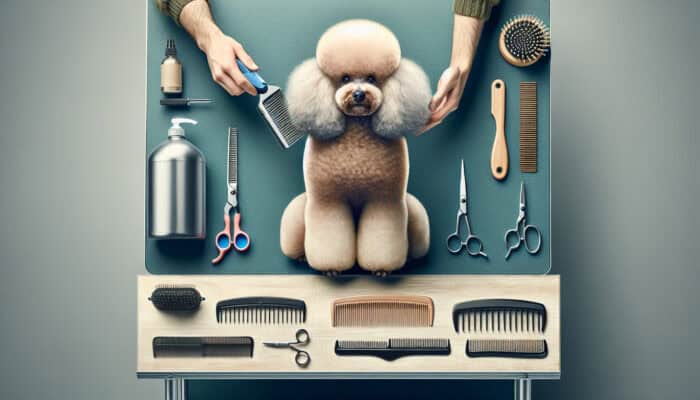
Choosing the right grooming tools is essential for effective hypoallergenic grooming. The tools you select can significantly impact the efficiency and ease of maintaining your poodle's coat. Various tools cater to different coat types and grooming needs, making it crucial to choose the right ones for your pet.
When selecting grooming tools, consider these actionable steps:
- Assess your poodle's coat type to determine the appropriate brush (e.g., a slicker brush is ideal for curly coats).
- Select a high-quality, hypoallergenic shampoo specifically formulated for sensitive skin.
- Invest in clippers designed specifically for pet grooming, ensuring a smooth experience.
- Choose combs with both wide and narrow teeth to tackle various matting situations effectively.
By equipping yourself with the right tools, you simplify the grooming process and enhance your poodle’s comfort and overall health. Employing proper grooming instruments can help achieve a hypoallergenic coat, benefiting both your pet and any sensitive individuals in your home.
When Should You Opt for Professional Grooming Over At-Home Grooming?
Deciding between professional grooming services and at-home grooming is a significant consideration for poodle owners. Professional groomers bring expertise and experience that can be invaluable for complex grooming tasks and coat types. For instance, if your poodle requires intricate cuts or has severe matting, it is advisable to seek professional assistance to ensure their comfort and safety.
Conversely, at-home grooming offers numerous benefits, including:
- Cost savings over time, making it a more budget-friendly option.
- Flexibility to groom at your convenience, fitting into your schedule.
- An opportunity to deepen the bond with your poodle through shared grooming experiences.
- Complete control over the grooming products and techniques used, ensuring they meet your pet's specific needs.
When performed correctly, at-home grooming can effectively maintain a hypoallergenic coat. With the right tools and techniques, poodle owners can adeptly meet their pet's grooming requirements. Ultimately, the choice between professional and at-home grooming should depend on the specific needs of your poodle and your comfort level with grooming tasks.
Expert Advice on Effective Poodle Hypoallergenic Grooming Techniques
How to Choose the Most Effective Grooming Tools?

Selecting the right grooming tools is pivotal for effective hypoallergenic grooming of poodles. The appropriate tools not only streamline the grooming process but also contribute to maintaining a healthy, allergy-friendly coat. To choose the best grooming tools, follow these actionable steps:
1. Evaluate Your Poodle's Coat Type: Determine whether your poodle has a curly, corded, or wavy coat to identify the correct brush. For example, a slicker brush is ideal for curly coats, while a wide-toothed comb is excellent for detangling corded coats.
2. Invest in Quality Tools: Opt for professional-grade grooming tools specifically designed for pets. These tools tend to be more effective and durable than standard household items. Look for brushes with soft bristles to prevent skin irritation, and select clippers that operate quietly to minimise anxiety during grooming sessions.
3. Define Your Grooming Goals: Clarify your objectives for grooming. If your focus is on reducing allergens, brushes that effectively eliminate dead hair and dander will be vital. For styling, scissors and clippers will be necessary.
4. Trial and Assess: Begin with a basic set of tools and evaluate their effectiveness during grooming sessions. If certain tools do not meet your needs, do not hesitate to explore alternative options.
By thoughtfully selecting grooming tools that align with your poodle's coat type and grooming goals, you establish a solid foundation for an effective, hypoallergenic grooming routine that benefits both your pet and your living environment.
What Grooming Techniques Are Most Effective for Reducing Allergens?
Implementing specific grooming techniques can dramatically lessen allergens in your home, making them essential for poodle owners concerned about allergies. These practices not only improve your poodle's overall health but also reduce allergen exposure in your living space.
One of the most effective methods is frequent bathing with a hypoallergenic shampoo formulated to minimise dander and soothe sensitive skin. Regular baths help eliminate loose fur, dirt, and allergens that accumulate in the coat. It is generally advised to bathe your poodle every 4 to 6 weeks, depending on their activity level and coat type.
Another essential technique is consistent brushing. Aim to brush at least once a week, although more frequent brushing is ideal, especially for curly coats. Brushing not only removes loose hair but also helps distribute natural oils throughout the coat, enhancing its health. Additionally, consider using an allergy-friendly brush that effectively removes allergens while being gentle on your poodle's skin.
Finally, utilising a high-quality vacuum cleaner with a HEPA filter is crucial for maintaining a clean living space. This type of vacuum effectively captures pet dander and hair, further minimising allergens in your home.
By incorporating these techniques into your grooming routine, you can achieve a significant reduction in allergen levels, creating a more comfortable living environment for both you and your poodle.
How Frequently Should You Groom Your Poodle for Optimal Health?
The frequency of grooming your poodle is crucial for maintaining a healthy coat and minimising allergens. Several factors influence the necessary grooming frequency, including coat type, activity level, and lifestyle. Generally, poodles require grooming every 4 to 6 weeks to keep their coat in optimal condition and reduce allergen presence.
For instance, a poodle with a curly coat may need more frequent grooming due to an increased likelihood of matting. Owners should brush their poodle’s coat at least once a week, if not more often, to prevent tangles and remove loose hair and dander. If you notice your poodle has developed mats or tangles, consider increasing the frequency of grooming sessions to address these issues promptly.
Moreover, poodles that are frequently active outdoors may require more regular grooming. Dirt, pollen, and other environmental allergens can accumulate in their coats, necessitating more frequent baths and brushing. The key is to monitor your poodle’s coat condition and adjust grooming frequency accordingly.
While grooming schedules can vary, many poodle owners find success with a routine that incorporates weekly brushing, bi-monthly baths, and professional grooming every six weeks. This balanced approach not only promotes a healthy coat but also minimises allergens within the home.
What Role Does Nutrition Play in Hypoallergenic Grooming?
Nutrition plays a significant role in your poodle's coat health and overall well-being, directly influencing allergen levels. A well-balanced diet rich in essential nutrients contributes to a healthier coat, making it less prone to dander and allergens. Foods containing omega-3 fatty acids, for example, are known to promote a shiny, healthy coat and may help reduce allergens produced by your poodle.
When selecting food for your poodle, it is crucial to choose high-quality, hypoallergenic dog food that is free from common allergens such as wheat, soy, and artificial additives. These ingredients can sometimes exacerbate skin issues, resulting in increased dander production. Look for dog foods that prioritise natural ingredients, particularly those that list real meat as the primary ingredient.
Additionally, incorporating supplements into your poodle's diet can further enhance coat health. Omega-3 and omega-6 fatty acid supplements are especially beneficial, and many pet owners find success with fish oil or flaxseed oil. These nutrients not only nourish the skin and coat but also help reduce inflammation and allergic reactions.
By prioritising your poodle's dietary needs, you can support their grooming routine and create a healthier overall environment, effectively reducing allergens while promoting a longer, happier life for your furry companion.
Essential Grooming Tools and Products Every Poodle Owner Needs
Must-Have Grooming Tools for Every Poodle Owner
Poodles require specific grooming tools to effectively maintain their hypoallergenic coats. The right tools not only simplify the grooming process but also ensure the coat remains healthy and free of allergens. Below is a list of essential grooming tools that every poodle owner should possess:
- Slicker Brush: Ideal for preventing matting and tangles in curly coats, ensuring a smooth finish.
- Wide-Toothed Comb: Perfect for detangling and smoothing the coat, especially after baths.
- Clippers: Necessary for trimming and styling, particularly for intricate cuts that require precision.
- Scissors: Essential for precise trimming around sensitive areas such as the face and feet.
- Hound Glove: Excellent for removing loose hair while providing a gentle massage, enhancing the grooming experience.
Each of these tools serves a specific purpose in maintaining your poodle's coat. For example, a slicker brush is particularly effective for curly coats, as it helps to eliminate debris and loose hair while minimising the risk of pulling. In contrast, clippers are invaluable for achieving specific styles, such as the classic poodle cut.
Investing in high-quality grooming tools will not only streamline the process for you but also ensure your poodle's coat remains in optimal condition. Proper grooming tools can significantly enhance the hypoallergenic grooming experience, contributing to a healthier, happier pet.
How to Select the Right Shampoo and Conditioner for Your Poodle?
Choosing the appropriate shampoo and conditioner is crucial for maintaining a hypoallergenic coat for your poodle. The products you select should be gentle yet effective, free from harsh chemicals that could irritate sensitive skin. When searching for grooming products, keep the following criteria in mind:
- Hypoallergenic formulations to minimise allergic reactions and promote skin health.
- Natural ingredients that soothe the skin and coat while providing nourishment.
- Free of sulfates, parabens, and artificial fragrances to protect sensitive skin.
- Products specifically designed for poodles or curly coats to ensure compatibility.
Look for shampoos that contain soothing components like oatmeal, aloe vera, and coconut oil. These ingredients can help hydrate the skin, reduce inflammation, and prevent dryness, all contributing to a healthier coat that produces less dander.
Conditioners should also be chosen carefully. Opt for products that detangle and moisturise but are safe for frequent use. A quality conditioner can provide essential nutrients to the coat, making it more manageable and decreasing the chances of matting.
By investing in suitable shampoos and conditioners, you can effectively maintain your poodle's hypoallergenic coat while enhancing their overall health, comfort, and well-being.
Additional Grooming Products to Elevate Your Poodle's Routine
Beyond basic grooming tools, there are additional products that can elevate your poodle's grooming routine, making it even more effective and enjoyable. These items help maintain your poodle's coat and skin health while further reducing allergens. Here are several products to consider integrating into your grooming arsenal:
- Detanglers: Effective for preventing and removing tangles, especially in curly coats, ensuring a smooth finish.
- Coat Sprays: Help hydrate and maintain a smooth, shiny coat, enhancing its overall appearance.
- Ear Cleaners: Essential for maintaining ear hygiene, a common issue for poodles that can lead to infections.
- Nail Clippers: Regular nail maintenance is vital for your poodle's comfort and mobility.
- Pet Wipes: Convenient for quick clean-ups and to eliminate allergens between baths, keeping your poodle fresh.
These additional products can play a significant role in your poodle's grooming routine. For instance, detanglers can assist in managing mats, while coat sprays can make brushing easier and more pleasant for your poodle. Regular ear cleaning is also crucial to prevent infections, particularly in breeds like poodles that are prone to ear issues.
Investing in these grooming products allows you to create a comprehensive regimen that effectively addresses your poodle's health and grooming needs.
How to Properly Maintain Your Grooming Tools for Longevity?
Regular cleaning and maintenance of grooming tools are essential for ensuring they last longer and remain effective. Proper care not only extends the lifespan of your tools but also guarantees optimal performance during grooming sessions. Here are key steps to maintain your grooming tools:
- Clean Brushes and Combs: Remove hair and debris after each use, and wash them regularly with mild soap and warm water to prevent buildup.
- Sanitise Clippers and Scissors: Wipe down blades with disinfectant to prevent the spread of bacteria and allergens that could affect your poodle.
- Store Tools Properly: Keep grooming tools in a dry, clean place to avoid rusting and damage that could render them unusable.
- Inspect Regularly: Check for wear and tear, and replace tools as necessary to ensure safety and effectiveness during grooming.
By implementing these maintenance tips, you will ensure that your grooming tools remain in excellent condition, facilitating effective hypoallergenic grooming sessions. Properly cared-for tools significantly contribute to achieving a well-groomed, allergy-friendly coat for your poodle.
Grooming Techniques for Various Poodle Cuts
Different poodle cuts necessitate specific grooming techniques to maintain both style and health. Understanding the various cuts and their grooming requirements is essential for any poodle owner. Here are some common poodle cuts along with their associated grooming techniques:
- Puppy Cut: A popular choice for ease of maintenance, requiring regular brushing and trimming every 4 to 6 weeks to keep it looking sharp.
- Continental Cut: Requires meticulous grooming, including careful shaping and regular touch-ups to maintain its distinctive style and elegance.
- English Saddle Cut: Similar to the Continental but with varying body hair lengths, demanding consistent attention to detail and grooming frequency.
- Show Cut: The most elaborate cut, necessitating extensive grooming knowledge and skills to maintain the intricate styling and clean lines that are characteristic of poodles.
Each of these cuts demands specific grooming techniques to keep the poodle comfortable while achieving the desired look. For instance, the Puppy Cut is less demanding and often recommended for first-time poodle owners, while the Continental Cut may require professional assistance to ensure proper execution.
Regular maintenance, including brushing and bathing, is essential for all styles, as it helps to prevent matting and reduce allergens. By understanding the grooming needs of different poodle cuts, you can ensure your poodle remains both stylish and healthy.
Step-by-Step Grooming Guide for Poodles
How to Effectively Prepare Your Poodle for a Successful Grooming Session?
Before embarking on the grooming process, it is crucial to adequately prepare your poodle to ensure a smooth and stress-free experience. Proper preparation is key to a successful grooming session, making it easier for both you and your pet. Here’s how to effectively prepare your poodle:
1. Gather Your Tools: Ensure you have all necessary grooming tools readily accessible—brushes, clippers, shampoo, towels, and any additional products you plan to use. Having everything organised minimises disruptions during grooming.
2. Create a Calm Environment: Choose a quiet space where your poodle feels secure and comfortable. Reducing distractions helps keep your poodle calm and less anxious throughout the grooming process.
3. Brush Out Any Mats: If your poodle has mats or tangles, gently brush these out before bathing. This will facilitate the bathing process and prevent further matting.
4. Familiarise Your Poodle with the Process: If this is a new experience for your poodle, take the time to introduce them to the grooming tools. Allow them to sniff the tools and become accustomed to the sounds of clippers or brushes.
Properly preparing your poodle can lead to a positive grooming experience, making both routine grooming and occasional sessions less stressful. This preparation not only enhances grooming results but also strengthens the bond between you and your pet.
Effective Bathing and Drying Techniques for Your Poodle
Bathing your poodle correctly is vital for maintaining a hypoallergenic coat. Proper bathing techniques help keep the coat clean while minimising allergens. Here are some best practices for bathing and drying your poodle:
1. Choose the Right Water Temperature: Use lukewarm water for bathing your poodle to ensure comfort. Water that is too hot or too cold can be unpleasant and stressful for your pet.
2. Utilise Hypoallergenic Shampoo: Select a shampoo specifically formulated for hypoallergenic grooming. This ensures that your poodle’s skin remains healthy and irritation-free. Apply the shampoo gently, focusing on areas that need more attention, such as the underbelly and paws.
3. Rinse Thoroughly: After shampooing, make sure to rinse your poodle thoroughly to eliminate all soap residue. Leftover shampoo can cause skin irritation, so ensuring a thorough rinse is crucial for your poodle's comfort.
4. Proper Drying Techniques: After bathing, gently towel-dry your poodle to remove excess water. If your poodle is comfortable with it, you can use a pet dryer on a low heat setting. Ensure that the dryer is not held too close to the skin and keep it moving to prevent overheating.
Implementing these bathing and drying techniques will significantly contribute to your poodle's coat health, reducing allergens and keeping their skin hydrated. The right methods can transform bathing from a chore into a rewarding bonding experience for both you and your poodle.
Trimming and Styling Your Poodle's Coat Effectively
Trimming and styling your poodle's coat can be both challenging and rewarding. With the right approach, you can achieve a beautiful look while maintaining a hypoallergenic coat. Here’s a step-by-step guide to effectively trim and style your poodle's coat:
1. Start with a Clean Coat: Ensure your poodle is clean and dry before you begin trimming. Bathing your poodle prior to grooming can make the process smoother and more manageable.
2. Use the Right Tools: Equip yourself with high-quality clippers and scissors. For precision, consider using thinning shears to blend and remove bulk in certain areas.
3. Establish a Plan: Decide on the cut you want to achieve. Familiarise yourself with the grooming style, whether it’s a simple puppy cut or something more elaborate, like a continental cut.
4. Trim Gradually: Start by trimming small sections at a time, maintaining a steady hand and confidence. It’s better to remove less hair gradually than to cut too much at once, ensuring a more controlled outcome.
5. Check for Accessories: When trimming around the face, paw pads, and ears, exercise extra caution. Use round-tipped scissors to prevent accidental nicks that could cause injury.
6. Finishing Touches: After trimming, thoroughly brush your poodle’s coat to remove any stray hairs and ensure an even appearance. This allows you to assess the final look and make any last-minute adjustments to achieve the desired style.
By following these steps, you can effectively trim and style your poodle's coat while ensuring their comfort and health. Regular trims help keep your poodle's coat hypoallergenic, reducing allergens and ensuring your poodle looks sharp and well-groomed.
Research-Backed Benefits of Hypoallergenic Grooming for Poodles
How Does Hypoallergenic Grooming Help Reduce Allergens?
Hypoallergenic grooming plays a vital role in minimising allergens in the home environment by systematically removing dander and loose hair, both of which are common triggers of allergies. Regular grooming practices can substantially reduce allergen levels, thereby enhancing the comfort of both pets and their human companions.
When you consistently groom your poodle, you effectively prevent the accumulation of dander and hair that can settle in your living space. Techniques such as frequent brushing help eliminate dead hair and dander before they can disperse throughout your home. Furthermore, bathing your poodle with hypoallergenic shampoo can wash away dirt and allergens, further contributing to a cleaner, healthier environment.
The effects of grooming on allergen levels can be considerable. Many poodle owners report noticeable improvements in allergy symptoms within their households after implementing a regular grooming routine. By keeping your poodle clean and well-groomed, you help ensure your living space remains comfortable and allergy-friendly for everyone.
What Health Benefits Does Regular Grooming Provide for Poodles?
Regular grooming not only helps control allergies but also promotes your poodle's overall health. Consistent grooming practices can prevent various skin issues, reduce the risk of infections, and maintain your poodle's coat in optimal condition.
One significant health benefit of regular grooming is the prevention of skin problems. By brushing your poodle regularly, you can identify potential skin irritations or infections early on. Mats and tangles can lead to skin irritation and sores, so regular grooming can help mitigate these concerns and promote overall skin health.
Additionally, grooming promotes good hygiene by allowing you to clean areas often overlooked, such as between the toes and around the ears. Regularly checking and cleaning these areas can prevent infections and enhance your poodle's overall health and well-being.
Real-world examples illustrate the positive health impacts of grooming. Owners who maintain a consistent grooming routine often observe improvements in their poodle’s coat quality, skin health, and general disposition. A well-groomed poodle is not only healthier but also feels more comfortable, leading to a significantly enhanced quality of life.
How Can Grooming Improve Your Poodle's Quality of Life?
Grooming greatly enhances your poodle's quality of life by ensuring they remain comfortable, healthy, and happy. A well-groomed poodle is less likely to experience skin irritation and matting, both of which can be painful and lead to more serious health issues.
Regular grooming sessions serve as a crucial opportunity for bonding between you and your poodle. These interactions foster trust and create a positive association with grooming, making the process enjoyable for both you and your pet. Additionally, grooming allows you to check for changes in your poodle's skin or coat, enabling prompt attention to any emerging issues.
To improve your poodle's quality of life through grooming, consider implementing a few actionable steps, such as:
- Establishing a consistent grooming schedule to ensure regular care and attention.
- Incorporating positive reinforcement techniques to make grooming enjoyable and stress-free.
- Monitoring your poodle's coat and skin health during grooming sessions for any signs of discomfort.
- Using calming techniques or products if your poodle exhibits anxiety during grooming.
By prioritising your poodle's grooming needs, you can enhance their comfort and overall well-being, ultimately leading to a happier and healthier life.
Common Grooming Challenges and Effective Solutions
How to Effectively Address Matting and Tangles?
Matting and tangles are common issues in poodles, particularly in those with curly coats. If not addressed promptly, these problems can lead to discomfort and skin irritations. Preventing and managing matting requires consistent grooming practices and careful attention to detail.
To effectively tackle matting, consider the following strategies:
- Brush your poodle's coat regularly, at least once a week, to prevent tangling.
- Utilise a slicker brush or a detangling spray to gently work through knots and mats without causing distress.
- Divide the coat into sections, focusing on one area at a time for more thorough grooming.
- If mats are severe, consider using a mat splitter tool or consulting a professional groomer for assistance.
For poodles prone to matting, integrating daily brushing into your routine can be highly beneficial. This practice not only helps keep the coat manageable but also reduces allergens that can accumulate in mats. Additionally, keeping your poodle’s coat trimmed to a manageable length can simplify grooming and significantly decrease matting.
By proactively addressing matting and tangles, you can keep your poodle comfortable and healthy while streamlining your grooming routine.
How to Manage Allergic Reactions in Your Poodle?
Despite implementing hypoallergenic grooming techniques, some poodles may still trigger allergic reactions in sensitive individuals. Identifying specific allergens and adjusting your grooming routine can help effectively manage these reactions.
Start by observing your poodle and noting any signs of allergies, such as excessive scratching or skin irritations. If you suspect that your grooming routine may be causing allergic responses, consider the following steps:
- Maintain a regular grooming schedule to reduce allergen buildup in your home.
- Choose hypoallergenic grooming products that are free from harsh chemicals and irritants.
- Conduct patch tests with new grooming products before full application to check for reactions.
- Consult with a veterinarian or allergist for tailored advice on managing allergies effectively.
Sometimes, allergens may originate from sources outside grooming, such as environmental factors. Keeping a clean home environment by vacuuming regularly and using air purifiers can also help minimise allergens.
By identifying and managing specific triggers, you can create a more comfortable atmosphere for both your poodle and sensitive household members, promoting a healthier living environment.
How to Alleviate Grooming Anxiety in Poodles?
Many poodles experience anxiety during grooming sessions, making the process challenging for both pet and owner. Addressing grooming anxiety is essential for ensuring a positive experience and significantly contributing to a successful grooming routine.
To help reduce anxiety during grooming, consider implementing the following techniques:
- Utilise positive reinforcement, rewarding your poodle with treats and praise during and after grooming sessions to create a positive association.
- Begin with short grooming sessions and gradually increase the duration as your poodle becomes more comfortable with the grooming process.
- Incorporate calming techniques, such as gentle massage or soft music, to create a relaxing environment during grooming.
- Familiarise your poodle with grooming tools prior to use, allowing them to sniff and explore the tools to reduce fear.
By establishing a calm and positive grooming routine, you can help your poodle associate grooming with a pleasant experience. Over time, this can reduce their anxiety and make grooming sessions smoother and more enjoyable.
Creating a stress-free grooming routine benefits not only your poodle but also strengthens the bond between pet and owner, fostering trust and comfort in the grooming process.
Effective Strategies for Achieving Successful Poodle Hypoallergenic Grooming
How to Establish a Consistent Grooming Routine for Your Poodle?
Creating a reliable grooming routine is fundamental to maintaining a hypoallergenic coat for your poodle. A well-structured schedule ensures that grooming is effective and becomes an integral part of your poodle's life. Here’s how to create an effective grooming routine:
1. Set a Regular Schedule: Decide on specific days and times for grooming sessions. Consistency is crucial for your poodle to adapt to the routine and understand what to expect.
2. Incorporate Multiple Grooming Aspects: Your routine should encompass brushing, bathing, trimming, and health check-ups. Each component contributes significantly to the overall health of your poodle’s coat and skin.
3. Monitor Coat Condition: Regularly assess your poodle's coat between grooming sessions to identify any tangles or matting early on. This proactive approach can help you stay ahead of potential grooming challenges and maintain a healthy coat.
4. Adjust as Necessary: Be flexible with your grooming schedule. If your poodle has been particularly active or dirty, you may need to adjust grooming frequency accordingly to maintain cleanliness.
By establishing a dependable grooming routine, you can ensure your poodle receives essential care while reducing the likelihood of allergens accumulating in your home. Many poodle owners find success with routines that blend at-home care with professional grooming every few months, creating a balanced approach to hypoallergenic grooming.
What Can You Do to Maintain a Hypoallergenic Coat Between Grooming Sessions?
Maintaining a hypoallergenic coat between grooming sessions requires regular at-home care to control allergens and keep your poodle comfortable and healthy. Here are actionable steps to maintain your poodle's coat:
1. Daily Brushing: Brush your poodle's coat daily, particularly if they have a curly coat. This prevents matting and helps to remove loose hair and dander, contributing to a cleaner home.
2. Regular Wipes and Cleaning: Use pet wipes to quickly clean your poodle between baths. This can eliminate dirt and allergens that accumulate on their coat, keeping them fresh.
3. Monitor Skin Health: Frequently check your poodle’s skin for signs of irritation or infection. Timely attention can prevent more serious issues and ensure your poodle remains healthy.
4. Focus on Diet and Hydration: Ensure your poodle consumes a balanced diet and has access to fresh water. Proper nutrition supports a healthier coat, further minimising allergens.
By implementing these at-home maintenance strategies, you can keep your poodle’s coat in excellent condition between professional grooming sessions. This proactive approach also helps to minimise allergens, creating a more comfortable environment for both your pet and any sensitive household members.
What Are the Long-Term Advantages of Hypoallergenic Grooming?
Hypoallergenic grooming offers numerous long-term benefits that extend beyond aesthetics. By adhering to a consistent grooming regimen, poodle owners can reduce allergen exposure, improve coat health, and enhance their pets' overall well-being.
One of the most significant long-term advantages is the decrease of allergens in the home environment. Regular grooming practices, such as brushing and bathing, minimise the accumulation of dander and loose hair, ensuring a more comfortable living space for allergy sufferers.
Moreover, maintaining a consistent grooming routine contributes to your poodle's overall health. By regularly assessing their coat and skin, you can identify potential health issues before they escalate into more serious conditions. This proactive approach can lead to fewer veterinary visits and a longer, healthier life for your poodle.
Additionally, a well-groomed poodle is generally happier and more comfortable, resulting in an improved quality of life. Regular grooming sessions also serve as an opportunity to strengthen the bond between you and your pet, fostering trust and affection.
In essence, the long-term benefits of hypoallergenic grooming create a harmonious living environment for your poodle and the entire household, promoting a healthier, happier lifestyle for all.
How to Select the Right Grooming Products for Hypoallergenic Coats?
Selecting appropriate grooming products is crucial for maintaining a hypoallergenic coat for your poodle. The right products should minimise allergen spread, promote coat health, and be gentle on the skin. Here are some tips for selecting the best grooming products:
1. Look for Hypoallergenic Labels: Always choose grooming products specifically labelled as hypoallergenic, indicating they are formulated to minimise allergens and irritation.
2. Prioritise Natural Ingredients: Select products that are free from harsh chemicals, sulfates, and artificial fragrances. Natural ingredients like oatmeal and aloe vera can help soothe the skin while providing effective cleansing.
3. Evaluate Product Performance: Before committing to a product, read reviews or conduct patch tests to see how your poodle reacts. This will help ensure compatibility and effectiveness for their unique needs.
4. Consult Professionals: Seek recommendations from veterinarians or professional groomers regarding the best hypoallergenic grooming products suited for poodles.
By being discerning in your choice of grooming products, you can significantly enhance your poodle’s coat health while minimising allergens. This thoughtful approach contributes not only to your poodle's comfort but also to the overall well-being of your household.
Comparing Professional Grooming and At-Home Grooming: What's Best for Your Poodle?
When Should You Seek Professional Grooming Services?
There are times when professional grooming services are necessary for poodle owners. While at-home grooming can be highly effective, certain situations may require the expertise of a professional groomer. Here are scenarios where opting for professional grooming is advisable:
1. Complex Cuts: If you're aiming for intricate styles, such as the continental or show cut, a professional groomer possesses the skills and experience required to achieve the desired look without compromising your poodle's comfort.
2. Severe Matting: If your poodle has developed significant mats and tangles, a professional can safely remove them without causing pain or distress to your pet.
3. Special Health Concerns: If your poodle has skin issues, allergies, or other health concerns, a professional groomer can provide tailored services that cater to their specific needs and sensitivities.
4. Anxiety Management: If your poodle experiences high levels of anxiety during grooming, a professional groomer may be better equipped to handle the situation using calming techniques and expertise.
Choosing professional grooming services can enhance your poodle’s grooming experience and ensure their coat remains healthy and allergy-friendly.
What Are the Benefits of Grooming Your Poodle at Home?
At-home grooming offers several advantages for poodle owners aiming to maintain their pet’s health and appearance while minimising allergens. With the right tools and techniques, at-home grooming can be an effective and rewarding experience. Here are some benefits of grooming your poodle at home:
1. Cost Savings: Grooming at home can significantly reduce expenses compared to regular visits to a professional groomer, allowing you to allocate resources elsewhere for your poodle.
2. Convenience: You can groom your poodle on your own schedule, eliminating the need to arrange appointments or travel to a grooming salon. This flexibility is particularly beneficial for busy pet owners.
3. Bonding Opportunity: Grooming serves as an opportunity to strengthen your bond with your poodle. Engaging in this activity together fosters trust and affection, enhancing your relationship.
4. Full Control: At-home grooming allows you to choose the products and techniques used, ensuring they align with your poodle’s specific needs and sensitivities.
By embracing at-home grooming, you can create a routine that works for you and your poodle, promoting both health and happiness while effectively managing allergens in your home.
Frequently Asked Questions About Poodle Grooming
What Is the Best Method for Grooming a Poodle?
The best method for grooming a poodle involves establishing a consistent routine that includes regular brushing, bathing with hypoallergenic shampoo, and professional trims every 4 to 6 weeks to ensure optimal coat health.
How Often Should I Bathe My Poodle?
Poodles should be bathed every 4 to 6 weeks using hypoallergenic shampoo to maintain coat health and minimise allergens in the environment.
Are Poodles Truly Hypoallergenic?
While no dog is entirely hypoallergenic, poodles are known for producing less dander and shedding less fur, making them a suitable option for individuals with allergies or sensitivities.
What Common Grooming Challenges Do Poodle Owners Encounter?
Common challenges include matting, tangling, and managing allergies. Regular grooming and appropriate techniques can alleviate these issues and prevent discomfort for your poodle.
How Can I Reduce My Poodle's Grooming Anxiety?
Reducing grooming anxiety can be achieved through positive reinforcement, familiarising your poodle with grooming tools, and creating a calming environment during grooming sessions to help them feel secure.
What Essential Grooming Tools Are Required for Poodles?
Essential grooming tools for poodles include slicker brushes, wide-toothed combs, clippers, scissors, and hypoallergenic shampoos tailored to their specific coat needs.
How Can I Tell If My Poodle's Coat Needs Grooming?
Signs that your poodle's coat requires grooming include visible tangling, matting, excessive shedding, and noticeable changes in coat texture or skin health.
Can Diet Influence My Poodle's Coat and Allergen Levels?
Yes, a balanced diet rich in omega-3 fatty acids can enhance coat health and reduce allergens, contributing to a healthier grooming routine and overall well-being.
What Advantages Does Professional Grooming Offer?
Professional grooming provides expert handling for complex cuts, effective management of severe matting, and tailored care for any specific health concerns that your poodle may have.
Is It Better to Groom My Poodle at Home or Professionally?
The choice between at-home grooming and professional grooming depends on your poodle’s grooming needs, your skill level, and your convenience. Both methods offer unique advantages that can benefit your pet.
Connect with us on Facebook!
The Article Poodle Hypoallergenic Grooming: Essential Tips and Techniques First Published On https://elgatoencasa.com
The Article Hypoallergenic Grooming Tips for Your Poodle Was Found On https://limitsofstrategy.com
The Article Hypoallergenic Grooming Tips for Your Poodle’s Health found first on https://electroquench.com